
On This Page: [hide]
Navigating the decision to buy an established website or start a new one can be a pivotal choice for entrepreneurs stepping into the digital market space in 2026. With the allure of immediate access to an existing audience, SEO benefits, and potential for quicker revenue, the advantages of purchasing over building from scratch are compelling.
This article aims to guide you through the benefits of acquiring a pre-existing online business, the strategic considerations for your investment, and how to sidestep common pitfalls, ensuring a successful digital venture. By outlining key strategies, from choosing the right marketplace to the critical role of cybersecurity, we provide a clear roadmap to making an informed decision and scaling your new asset into a thriving online enterprise in 2026.
⭐ Overall Rating: 4.4 / 5 (when due diligence is done properly)
⚙️ Key Features at a Glance:
- Buy cash-flowing sites with existing SEO, content, and audiences
- Marketplaces vary from open auctions to fully vetted broker deals
- Valuation typically follows profit multiples (quality drives the multiple)
- Escrow + access control + security audit are standard in 2026-ready transfers
💡 Best For: Buyers comparing online businesses who want faster time-to-revenue and can verify analytics + finances
💰 Starting Price: From low four figures for starter sites to six/seven figures for established brands (based on verified profit)
🧾 Quick Verdict: Buying beats building from scratch when you verify earnings and traffic, secure the handover, and run a 90-day stabilization plan.
Why Consider Buying a Website Over Starting From Scratch in 2026?
Entering the broad arena of online entrepreneurship in 2026 comes with new realities: more competition, more sophisticated buyers, and search engines that reward depth, trust, and real-world usefulness. Among the pivotal decisions facing aspiring business owners is whether to invest in an existing website or to embark on the journey of starting from zero.
One of the primary reasons to consider purchasing an existing website is the immediate access to an established audience and customer base. This dramatically reduces the time and effort required to build visibility and trust, still the two hardest parts of generating revenue online. When you buy a website, you’re not starting in obscurity; you’re stepping into an asset with an existing foundation, offering instant leverage in terms of SEO positioning and brand recognition.
In 2026, that head start matters even more because quality signals (content depth, clean backlink profiles, strong UX, and consistent performance) tend to separate “survivors” from sites that collapse after algorithm updates. If you buy well, you’re acquiring momentum and ideally a system you can improve.
Moreover, the aspect of instant revenue can’t be overlooked. A well-chosen, pre-existing website can come with a verified income stream, making it possible to see a return on your investment faster than a brand-new site. Unlike starting fresh, where the initial months can be dominated by investment rather than income, an acquisition can be positioned as a growth project from day one.
Another significant advantage is the time saved that would otherwise be spent on website development, design, and the trial-and-error process of identifying a viable audience. With an already operational site, many technical hurdles have been overcome, leaving you more room to focus on growth strategies and improving user engagement rather than building the basics.
In summary, buying an existing website in 2026 is appealing for those looking to bypass early uncertainty, as long as the due diligence and transfer security are treated as part of the “purchase price.”
Top Marketplaces to Find Profitable Websites for Sale in 2026
Finding the right platform to purchase a profitable website in 2026 can be a game-changer for entrepreneurs and investors. Marketplaces still fall into two major styles: higher-volume “open listings” versus curated “verified businesses.” Your choice should match your risk tolerance and how much verification you can do yourself.
Understanding the Appeal of Flippa and Empire Flippers
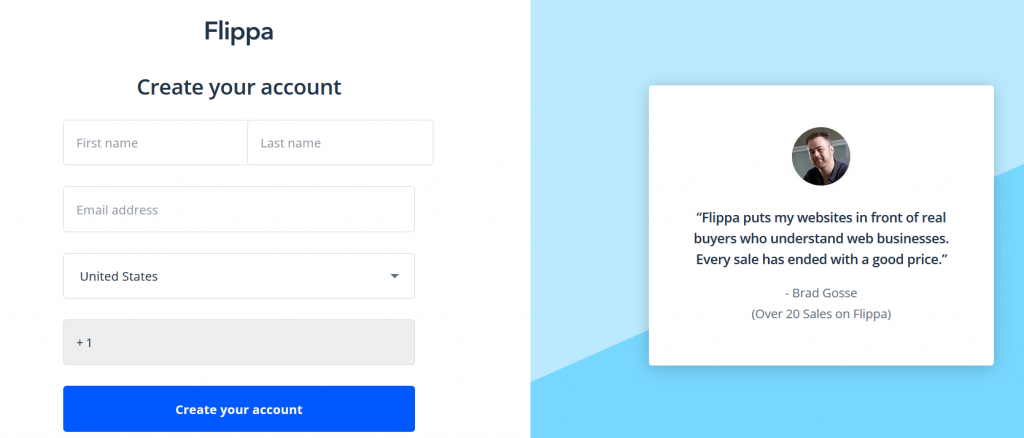
The attraction to platforms like Flippa and Empire Flippers lies in their proven track records and different approaches.
Flippa remains a high-volume marketplace with a wide variety of online businesses. That variety is useful, but it also means you must be strict about verification. Treat every claim as “untrusted until proven,” especially around traffic sources and profit screenshots.
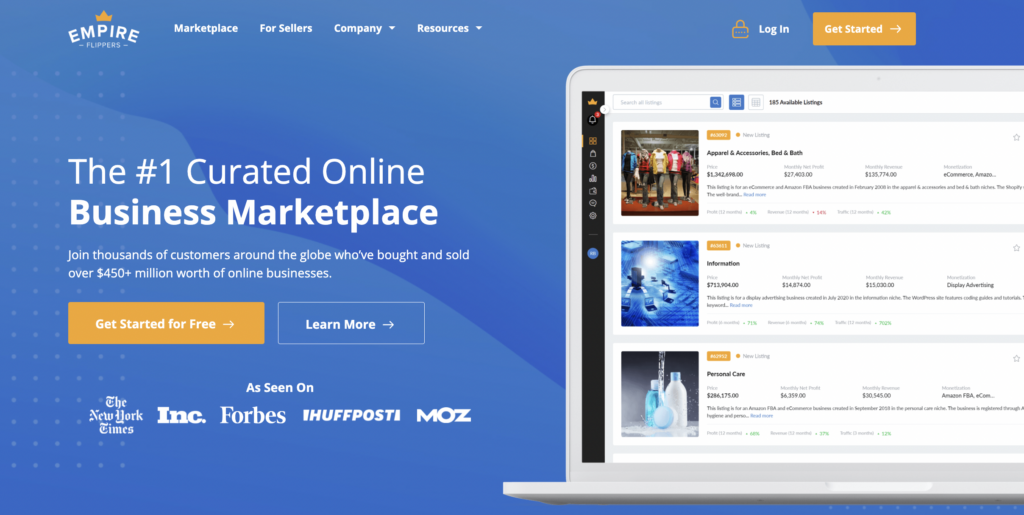
Empire Flippers stands out for a more structured process and stronger listing standards. Buyers typically pay a premium for better documentation and a smoother transfer experience, which can be worth it when you’re optimizing for lower risk.
FE International: A Premium Option for Serious Investors

FE International is positioned as a premium brokerage/advisory route for buying established, high-quality online businesses. In 2026, this style of buying is often chosen when deal size is larger, complexity is higher (SaaS/e-commerce), and the buyer wants tighter due diligence support and a guided transaction process.
Exploring Niche Marketplaces for Specific Website Purchases
For buyers with specific interests or requirements, niche marketplaces can still be a strong play in 2026, especially for e-commerce, content websites, SaaS, and app businesses. The advantage is focus: you’ll spend less time filtering irrelevant listings and more time comparing like-for-like businesses.
How to Evaluate a Website Before Purchasing: A Comprehensive Checklist
Assessing Financial Performance and Future Growth Potential
Before buying a website, evaluating its financial health and prospects for growth is crucial. Start by examining revenue and expenses reports and verifying them at the source (affiliate dashboards, ad platforms, payment processors).
Websites might derive income from various sources, such as affiliate marketing, product sales, or advertising. A diversified income is less risky, ensuring stability if one source changes. Consistency is another key factor; look for steady revenue streams across multiple months, not just one “best month” screenshot.
2026 buyer reality: quality drives valuation. Two sites making $1,000/month can have very different prices depending on traffic durability, link profile risk, workload required, and growth headroom.
Conducting a Deep Dive into Traffic Sources and SEO Rankings
Understanding where a website’s traffic comes from and its position in search engine rankings remains fundamental.
Tools like Google Analytics and Search Console (ideally read-only access before purchase) provide visibility into traffic sources, engagement, and performance. Examining SEO rankings is equally vital, especially for volatility and dependency on a small set of keywords.
Scrutinize the quality and quantity of backlinks because they remain a major SEO factor. But in 2026, it’s less about quantity and more about relevance, legitimacy, and whether the link profile looks “earned” versus manufactured.
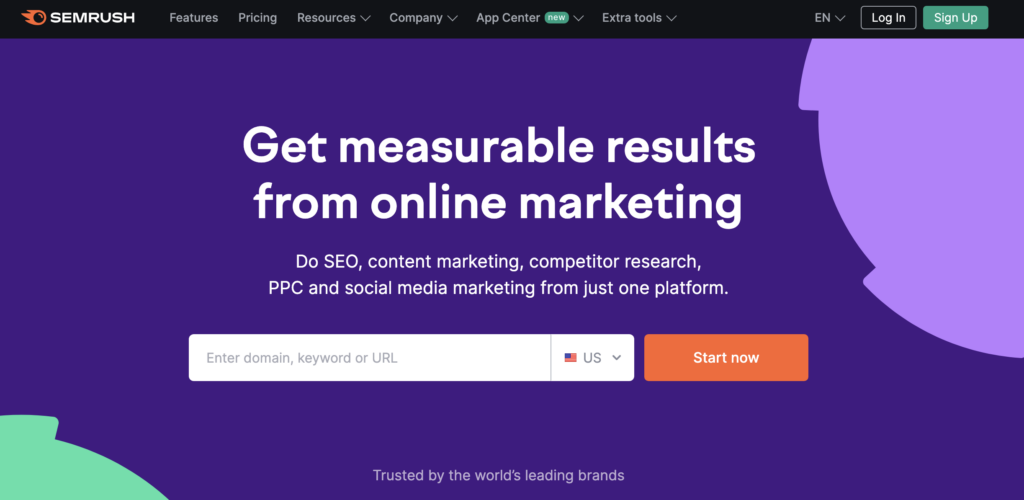
Tools like SEMRush can assist in these analyses, offering a broader view of keyword footprint and visibility, but always confirm with first-party analytics.
Why Due Diligence is Paramount in Website Acquisitions
Due diligence is the cornerstone of making informed investment decisions in website acquisitions. It stretches beyond evaluating financials and traffic; it involves verifying ownership, confirming legitimacy of content and images, and ensuring compliance with relevant laws.
In higher-value deals, consider legal support for contracts and strong clauses (non-compete, non-solicit, and post-sale training). Due diligence helps uncover red flags early and protects you from buying unstable revenue or risky SEO.
Financial Considerations: What Budget Do You Need to Buy a Profitable Website?
In 2026, budgeting is still about more than the purchase price. You should plan for:
- Web hosting and domain renewal fees
- Content creation (writers/editors), or content refresh costs
- SEO and marketing to increase visibility and drive traffic
- Technical maintenance or improvement costs (performance, security, UX)
- Operational costs (software subscriptions, customer service tools, etc.)
It’s also advisable to consider the cost of your time. If the site needs 20 hours/week of work, you may be buying a job unless you can systemize or delegate operations.
In summary, buying a website in 2026 is an investment that requires careful planning for ongoing costs and a buffer for post-transfer volatility.
Negotiation Strategies for Website Purchases: How to Get the Best Deal
At the heart of acquiring a website is negotiation. In 2026, the smartest negotiation angle is often not “lower price,” but lower risk via clearer terms, stronger handover, and proof.
Research and Prepare
Use tools like Semrush to review traffic estimates, SEO performance, and backlinks, then ground your offer in verified profit and risk (revenue concentration, traffic volatility, operational dependency).
Initial Contact and Professionalism
Make your initial outreach count, clear, professional, and specific about what you need to verify. Serious buyers who request structured proof tend to be taken more seriously by serious sellers.
Understanding Value Beyond Price
Broaden negotiations beyond price: training period, SOPs, contractor handover, asset completeness (email list, socials), and non-compete terms often matter more than a small discount.
Payment Arrangements
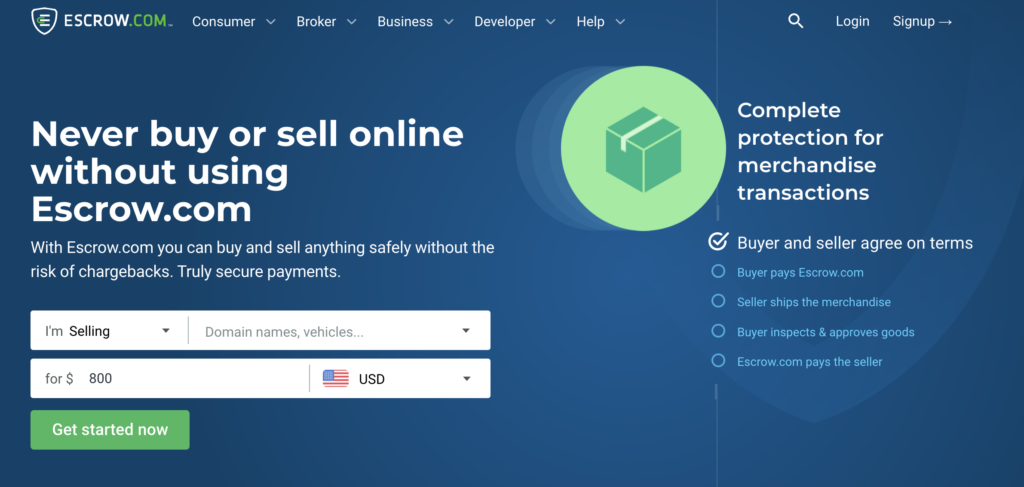
Use safe payment methods. Services like Escrow.com remain one of the standard approaches for reducing fraud risk by holding funds until transfer conditions are met.
Negotiation Skills
Negotiate respectfully and with data. If you want a lower multiple, tie it to measurable risk: revenue concentration, traffic spikes, link profile issues, or heavy operational workload.
The Role of Legal Agreements in Website Transactions
Legal agreements formalize the deal and protect both parties. In 2026, strong documentation is also a signal of deal quality, serious sellers usually have clearer records and cleaner asset ownership.
Key Components of a Purchase Agreement
- Identification of Parties: Full legal names and contact details of both the buyer and the seller.
- Description of the Sale: Domain, content, intellectual property, accounts, and assets included.
- Payment Terms: Total price, schedule, and method (e.g., Escrow.com).
- Representations and Warranties: Seller statements about ownership and legality.
- Terms of Transfer: Timeline and process for transferring all assets.
- Confidentiality Agreement: Protection for sensitive information shared during evaluation.
- Dispute Resolution: Clear method for resolving disputes.
The Importance of Non-Disclosure Agreements (NDAs) in Website Sales
Non-Disclosure Agreements (NDAs) are crucial when you’re reviewing analytics, revenue sources, suppliers, or internal processes. They enable open sharing while protecting both parties.
Post-Purchase Steps: How to Successfully Transition and Scale Your New Website
Immediate Steps After Acquiring a New Website
Once the website officially becomes yours, secure and assess your new asset:
- Change All Administrative Access: Update all login credentials, enable 2FA, and remove unknown users.
- Conduct a Comprehensive Site Audit: Review content, SEO, UX, speed, uptime reliability, and tracking.
- Review and Update Content and SEO: Prioritize pages that drive revenue or rankings.
- Establish Your Brand Presence: Update branding carefully (avoid sudden changes that confuse returning users).
Where visuals help: add screenshots of analytics channels, Search Console performance, top revenue dashboards, and a speed test before/after.
Long-Term Growth Strategies for Your Online Business
- Content Strategy Development: Expand topic clusters around pages that already rank.
- Enhance User Experience (UX): Speed + clarity improves conversions and reduces bounce rates.
- Expand Your Digital Marketing: Social, email marketing, and PPC when profitable.
- Monetization Strategies: Diversify beyond one channel (ads + affiliates + products/services).
- SEO Optimization: Improve internal linking, refresh content, and earn relevant links.
- Use Analytics for Data-Driven Decisions: Track revenue by channel and top landing pages weekly.
Common Pitfalls to Avoid When Buying Websites
Not Receiving the Actual Website
Use escrow and define “complete delivery” in writing: domain transfer + hosting + database + analytics access + monetization accounts + any promised assets (email list, social accounts).
Data Misrepresentation
Sellers may inflate traffic or revenue. Require dashboard access (read-only) or live verification via screen share, and cross-check for consistency across analytics and revenue sources.
Page Rank Scams
Modern scams often rely on tool metrics or cherry-picked screenshots. Don’t buy a site based on a single “authority score.” Evaluate SEO health through keyword footprint, traffic durability, and backlink legitimacy.

Underestimating the Importance of Growth Potential and Authenticity
Focusing only on current traffic or revenue can hide operational fragility. Prefer sites with clear growth angles (content expansion, CRO, new monetization) and authentic operations you can validate.
Real-Life Success Stories: Transforming Acquired Websites into Lucrative Assets
Success stories are inspiring, but in 2026 the most reliable takeaway is the pattern: buyers win when they buy assets they can improve operationally, not just “buy traffic.”
One compelling example is Niki Cordell, who successfully sold her business for $138K through Flippa. Her story highlights the upside when audience fit and operational clarity are strong.
Similarly, another entrepreneur shared a journey of making over $650K in acquisitions on Flippa. His story is a reminder that the process, research, patience, and execution, drives outcomes.
FAQs: Answering Your Top Questions About Buying Websites in 2026
Why Should I Consider Buying an Existing Website?
Buying an existing site can shorten time-to-results. You may inherit traffic, revenue history, and rankings, so you can focus on optimization and scale rather than starting from zero.
What Should I Look For in a Potential Website Purchase?
- Revenue Generation: Verified revenue sources with manageable concentration risk.
- Niche Familiarity: You can operate and improve the business with confidence.
- SEO Value: Durable organic traffic, clean links, and content that survives updates.
- Quality Content: Helpful, credible content that can be improved (not thin filler).
How Can I Protect My Investment When Buying?
Verify financials and traffic, use escrow, require clear delivery terms, and negotiate post-sale support. If you’re unsure, hire a CPA for financial checks and a lawyer for contracts.
What Are Some Common Pitfalls to Avoid?
- Skipping Due Diligence: Not verifying revenue/traffic leads to expensive surprises.
- Overestimating Ability to Improve the Site: Buy businesses you can realistically operate.
- Neglecting Legal Checks: Copyright, trademark, privacy, and disclosure issues matter.
When is the Right Time to Seek External Help?
When the deal value is meaningful, the model is complex (SaaS/e-commerce), or you can’t confidently verify the numbers yourself.
In summary, buying an established website can be a smart strategy for entering the digital marketplace at an advanced level in 2026. If you verify everything, secure the transfer properly, and follow a structured post-purchase plan, you dramatically improve your odds of success.
Conclusion
In 2026, website acquisition is still one of the fastest ways to buy momentum, traffic, trust, and revenue history, if you can validate it. The winning approach is consistent: strong due diligence, secure escrow-based transfer, realistic budgeting, and a 90-day plan focused on stability, web hosting speed, uptime reliability, customer support readiness (where applicable), and content/SEO improvements.