
On This Page: [hide]
Should you trust your infrastructure to Linode? After Akamai’s $900 million acquisition in 2022, that question has become more complicated. The short answer: Linode remains a solid choice for developers who want straightforward cloud computing without AWS-level complexity, but the post-acquisition experience has been mixed.
This review analyzes aggregated customer feedback from review platforms, community forums, and Reddit discussions. Unlike affiliate-heavy reviews, we include the unfiltered complaints that long-time users have raised since the Akamai transition, plus the renewal and pricing changes that many reviews conveniently skip. We examine verified pricing, real support experiences, and what the community actually says about reliability in 2026.
 Visit Site
| Name | Linode |
| Total Reviews | 242 |
| Average Score | 3.0 |
| Website | https://www.linode.com/ |
| Address | 249 Arch St. Philadelphia , PA 19106 US |
| Server Locations |  United States, United States,  Germany, Germany,  United Kingdom, United Kingdom,  Singapore, Singapore,  Japan, Japan,  India, India,  Canada, Canada,  Australia Australia |
Number of Reviews
Avg. Review Score
Customer Support
Overall assessment: Linode earns a polarized reputation with ratings ranging from 2.0/5 on some platforms to solid praise from decade-long customers. Strengths include transparent pricing, generous bandwidth allowances, and a clean interface. The most common complaints involve account activation issues, slower support response times since the acquisition, and occasional reliability concerns. Best suited for developers comfortable with unmanaged VPS who prioritize simplicity over hand-holding.
Features and Services
Linode, now operating under the Akamai Connected Cloud brand, focuses exclusively on cloud infrastructure rather than traditional shared hosting. This isn’t a platform for beginners wanting to launch a WordPress blog with one click. It’s built for developers, system administrators, and businesses that want full control over their server environment.
Hosting Types Offered
- Shared CPU Instances: Entry-level VPS with burstable CPU, ideal for development, testing, and low-traffic applications
- Dedicated CPU Instances: Guaranteed CPU resources for consistent performance under load
- High Memory Instances: Optimized for memory-intensive workloads like databases and caching
- GPU Instances: NVIDIA RTX hardware for machine learning, rendering, and AI workloads
- Kubernetes Engine (LKE): Managed Kubernetes for container orchestration
- Object Storage: S3-compatible storage for static assets and backups
- Managed Databases: PostgreSQL, MySQL, and MongoDB without server management
Key Features Customers Highlight
In customer reviews, several features consistently receive praise:
- Transparent, flat-rate billing: No complex metering or surprise charges. Each plan bundles compute, storage, and a generous transfer allowance into one predictable price. Hourly billing means you only pay for what you use.
- Generous bandwidth: Even the $5/month Nanode includes 1TB of transfer, with allowances pooled across all instances on your account. Overage costs just $0.005/GB.
- Clean Cloud Manager interface: Users frequently compare it favorably to AWS and Google Cloud dashboards. One reviewer noted they “run about 7 servers all on Linode” because of the “easiness of dashboard and maintenance.”
- NVMe storage: Following the Akamai acquisition, infrastructure was upgraded with NVMe-equipped machines for faster disk I/O.
Data Center Locations
Linode operates 11 data centers across three continents:
- North America: Newark (New Jersey), Atlanta, Dallas, Fremont (California), Toronto
- Europe: Frankfurt, London (restricted for new customers as of August 2024)
- Asia-Pacific: Tokyo, Singapore, Mumbai, Sydney
Note: Some regions have been restricted for new customer deployments. Washington D.C. and Jakarta have also been closed to new resources. Akamai has announced plans to expand to Madrid and Seoul, with the latter expected in early 2026.
Performance Expectations
Independent benchmarks from VPSBenchmarks and third-party testing show Linode performs competitively with DigitalOcean and Vultr. In 12-month TTFB (Time to First Byte) testing, Linode averaged 400ms, comparable to DigitalOcean’s 405ms and slightly behind Vultr’s High Frequency plans at 376ms.
Linode guarantees 99.99% uptime for compute services, backed by SLA credits. However, community feedback suggests some users have experienced outages lasting several hours, particularly at the Newark data center. Third-party monitoring has tracked over 500 incidents since 2020, though most were brief.
Customer Experience
Customer sentiment toward Linode is sharply divided. Long-time users who’ve been on the platform for 5-10 years often remain loyal advocates. Newer customers, especially those signing up post-acquisition, report more friction. On Trustpilot, the rating sits at 2.0/5 from 202 reviews, with a stark split: 33% give 5 stars while 54% give 1 star. There’s little middle ground.
What Customers Praise
Established customers consistently highlight reliability and simplicity. One reviewer with over a decade on the platform stated: “Linode remains one of the best and most professional providers out there. Never a hiccup in the service.”
The user interface draws regular compliments. Compared to AWS and Google Cloud, customers find Linode’s Cloud Manager intuitive and uncluttered. A user who switched from AWS shared: “I could never go back. Linode has all the product offerings I need, and I have never had any issues. Cheaper, equivalent or better quality, easier to understand.”
For Kubernetes users, the Linode Kubernetes Engine (LKE) receives positive marks for strong infrastructure performance and simple setup.
Common Complaints
The most frequent complaint involves account activation problems. Multiple reviewers report being flagged for “fraudulent behavior” during signup, even when using legitimate business credentials. One frustrated user wrote: “After taking my credit card and company info, I get this email saying my account has been denied activation due to activity or patterns associated with fraudulent behavior.”
Support response times have become a recurring issue. Before the acquisition, users reported quick turnarounds. Now, ticket responses often take 1-2 business days, a notable slowdown for urgent issues. One customer noted: “My support requests used to take hours, now there is no response for more than a day.”
Some users report reliability degradation since the Akamai transition. A user at the Dallas data center complained of “at least 3, maybe 4 downtime of over 1 hour” and observed: “At this rate, I may as well be hosting with some two bits amateur shop.”
Community Feedback (Reddit and Forums)
Beyond official review platforms, discussions on Reddit, Hacker News, and LowEndTalk reveal additional perspectives:
The April 2023 price increases generated significant backlash. On Reddit and Linode’s community forums, users discussed leaving for better-priced alternatives. Many felt betrayed by the “Akamai effect” despite assurances that Linode would remain developer-friendly and competitively priced.
Community members have expressed concern that Akamai’s enterprise focus may come at the expense of smaller developers. The CEO’s statement about the enterprise base being “far more lucrative” than small customers didn’t reassure the original user base.
On the positive side, Reddit users consistently praise Linode’s 24/7 human support availability, even if response times have slowed. The phone support option remains valuable for urgent issues when ticket queues are long.
A recurring warning in community discussions: if you need to create a new account, be prepared for potential activation delays or fraud flags. Having business documentation ready can help.
Support Quality
Linode offers multiple support channels:
- Support tickets: Primary contact method via Cloud Manager, CLI, or API
- Phone support: Available 24/7 at 855-454-6633 (US) or +1 609-380-7100 (International)
- Email: [email protected] for general questions
- Community: IRC channel and active community Q&A forum
Response times vary based on queue volume. Tickets operate first-in-first-out, so urgent issues should be followed up with a phone call. For Managed customers ($100/Linode/month), incident response is expedited.
Important caveat: Linode provides unmanaged hosting. Support assists with platform issues but won’t configure your applications or troubleshoot your code. If you need managed WordPress or hand-holding, look elsewhere.
When to Use Linode
Linode is a strong choice in specific scenarios:
Ideal For
Developers who want simplicity without lock-in: If you’re comfortable with Linux servers and want predictable pricing without navigating AWS’s 200+ services, Linode delivers a streamlined experience. Deploy a VPS in under a minute, SSH in, and you’re working.
Small to medium applications with global reach: With 11 data centers across North America, Europe, and Asia-Pacific, you can place servers close to your users. The generous bandwidth pooling means you won’t get surprise bills from traffic spikes.
Kubernetes and container workloads: LKE offers a solid managed Kubernetes option at competitive pricing. Teams already running containerized applications will find a capable platform.
Budget-conscious startups: At $5/month for the entry Nanode, you can run development environments, staging servers, or low-traffic applications affordably. Hourly billing means spinning up test instances costs pennies.
You’ll Appreciate It If
- You value transparent pricing: No promotional bait-and-switch, no metered surprises
- You prefer a clean interface: Cloud Manager is refreshingly uncluttered compared to AWS Console
- You want phone support as a fallback: Unlike some competitors, real humans answer calls 24/7
- You need Akamai CDN integration: The acquisition enables tighter integration with Akamai’s content delivery network
When NOT to Use Linode
No host is perfect for everyone. Linode isn’t the right choice if:
Look Elsewhere If
You’re a complete beginner wanting managed hosting: Linode is unmanaged. You’re responsible for server configuration, security updates, and application deployment. If terms like “SSH” and “sudo” are unfamiliar, consider managed shared hosting or Cloudways instead.
You need extensive managed services: While Linode offers managed databases and optional managed support, the platform’s strength isn’t hand-holding. AWS, Google Cloud, or managed platforms offer deeper managed service ecosystems.
You require auto-scaling: Linode lacks automatic horizontal scaling. You can resize instances, but there’s no built-in auto-scaling based on traffic. If you expect viral spikes, consider platforms with elastic scaling.
You need maximum global coverage: With 11 data centers, Linode’s footprint is smaller than Vultr (25+ locations) or major cloud providers. If you need servers in South America, Africa, or specific Asian markets, options are limited.
Red Flags for Your Situation
- Creating a new account with unusual credentials: The fraud detection system has flagged legitimate users. If you have a new business or unusual payment details, prepare for potential activation friction.
- Urgent support is critical: If 1-2 day ticket response times are unacceptable for your operation, factor in the $100/month Managed tier or consider providers with faster guaranteed response times.
- You need Windows servers: Linode is Linux-focused. Windows isn’t offered.
- Storage-heavy applications: SSD allocations are modest relative to price. If you need terabytes of storage, block storage costs add up quickly, and competitors may offer better value.
If any of these apply, consider DigitalOcean or Vultr as alternatives (see Alternatives section below).
Alternatives to Linode
If Linode doesn’t fit your needs, these alternatives address common gaps:
For More Data Center Locations: Vultr
Vultr operates 25+ data centers worldwide, including South America and additional Asian markets. Pricing is comparable or slightly lower, with high-frequency compute options that benchmark well. Good choice if geographic coverage matters. See our VPS hosting comparison for details.
For Beginner-Friendly Experience: DigitalOcean
DigitalOcean offers superior documentation, a marketplace of 1-click apps, and a gentler learning curve for those new to cloud infrastructure. Pricing is slightly higher ($6 entry versus $5), but the onboarding experience and community resources compensate.
For European Value: Hetzner
If your audience is primarily European, Hetzner offers exceptional value with data centers in Germany and Finland. Pricing undercuts most US-based providers significantly, though North American latency is a trade-off.
For Managed Cloud: Cloudways
If you want Linode’s infrastructure without managing servers yourself, Cloudways provides a managed layer on top of Linode (and other providers). You get a cPanel-like experience with the underlying cloud performance. Relevant for those who find raw VPS intimidating.
For a full comparison, see our cloud hosting guide.
- Linode reviews from United States
| Average score | 3.21 |
| Number of reviews | 54 reviews |
- Linode reviews from United Kingdom
| Average score | 2.70 |
| Number of reviews | 26 reviews |
- Linode reviews from India
| Average score | 2.71 |
| Number of reviews | 15 reviews |
- Linode reviews from Denmark
| Average score | 3.00 |
| Number of reviews | 10 reviews |
- Linode reviews from Germany
| Average score | 2.50 |
| Number of reviews | 10 reviews |
- Linode reviews from Canada
| Average score | 3.89 |
| Number of reviews | 9 reviews |
- Linode reviews from Sweden
| Average score | 2.12 |
| Number of reviews | 8 reviews |
- Linode reviews from Thailand
| Average score | 1.20 |
| Number of reviews | 5 reviews |
- Linode reviews from Sri Lanka
| Average score | 3.40 |
| Number of reviews | 5 reviews |
- Linode reviews from France
| Average score | 1.00 |
| Number of reviews | 5 reviews |
- Linode reviews from Brazil
| Average score | 2.80 |
| Number of reviews | 5 reviews |
- Linode reviews from Ukraine
| Average score | 2.50 |
| Number of reviews | 4 reviews |
- Linode reviews from Turkey
| Average score | 5.00 |
| Number of reviews | 4 reviews |
- Linode reviews from Netherlands
| Average score | 2.00 |
| Number of reviews | 4 reviews |
- Linode reviews from Ireland
| Average score | 3.00 |
| Number of reviews | 4 reviews |
- Linode reviews from Russia
| Average score | 3.00 |
| Number of reviews | 4 reviews |
- Linode reviews from Israel
| Average score | 5.00 |
| Number of reviews | 3 reviews |
- Linode reviews from Indonesia
| Average score | 3.67 |
| Number of reviews | 3 reviews |
- Linode reviews from Australia
| Average score | 2.00 |
| Number of reviews | 3 reviews |
- Linode reviews from Bulgaria
| Average score | 1.00 |
| Number of reviews | 3 reviews |
- Linode reviews from Malta
| Average score | 2.67 |
| Number of reviews | 3 reviews |
- Linode reviews from Vietnam
| Average score | 2.33 |
| Number of reviews | 3 reviews |
- Linode reviews from Lithuania
| Average score | 1.00 |
| Number of reviews | 3 reviews |
- Linode reviews from Greece
| Average score | 2.33 |
| Number of reviews | 3 reviews |
- Linode reviews from Morocco
| Average score | 1.00 |
| Number of reviews | 2 reviews |
- Linode reviews from Pakistan
| Average score | 3.00 |
| Number of reviews | 2 reviews |
- Linode reviews from Portugal
| Average score | 1.00 |
| Number of reviews | 2 reviews |
- Linode reviews from Taiwan
| Average score | 1.00 |
| Number of reviews | 2 reviews |
- Linode reviews from Japan
| Average score | 1.00 |
| Number of reviews | 2 reviews |
- Linode reviews from New Zealand
| Average score | 4.50 |
| Number of reviews | 2 reviews |
Linode Plans and Pricing
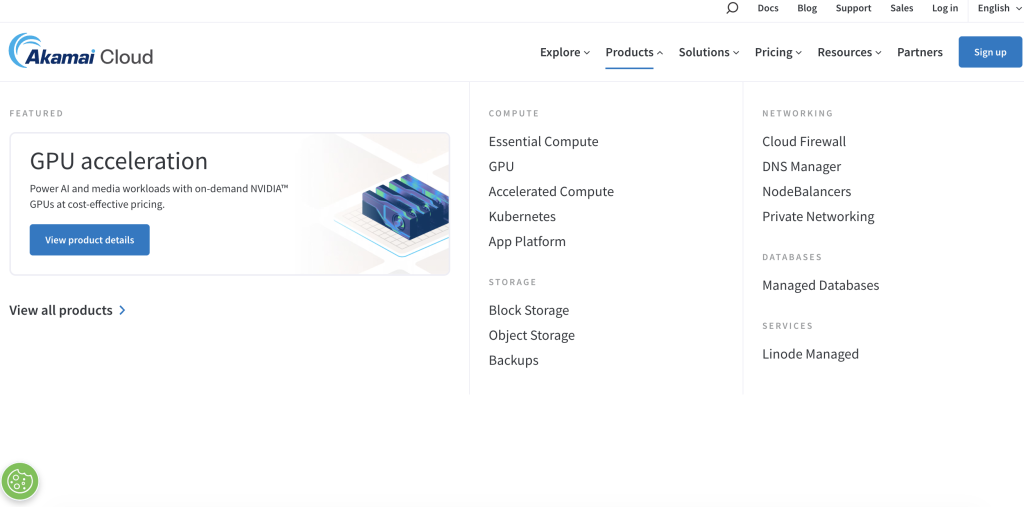
Linode’s pricing model stands out for its simplicity. Unlike AWS or Google Cloud with their byzantine pricing calculators, Linode bundles everything into flat monthly or hourly rates. That said, prices increased in April 2023 following the Akamai acquisition, which frustrated some long-time customers.
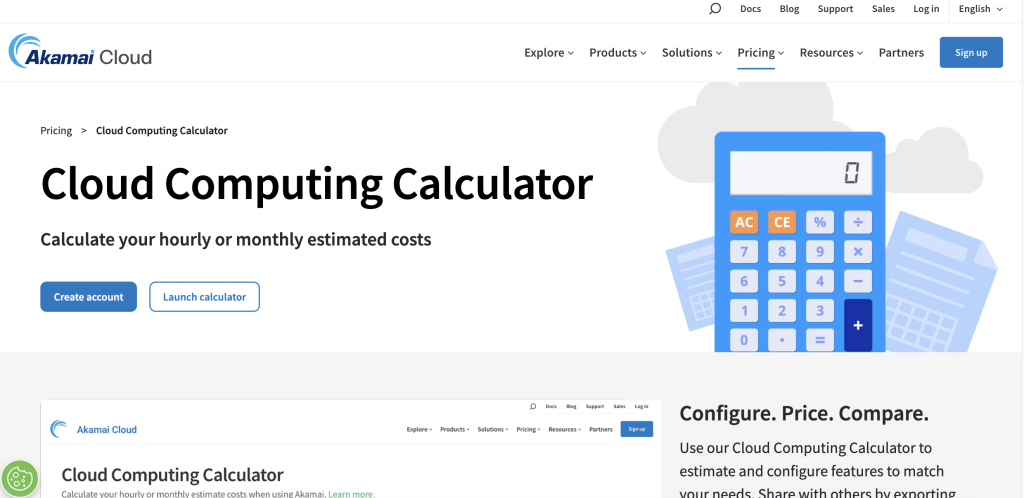
Note: Unlike traditional shared hosting, Linode doesn’t use promotional versus renewal pricing. The prices below are consistent whether you’re a new or existing customer.
Shared CPU Plans
Best for development, testing, small websites, and applications with variable traffic:
- Nanode 1GB: $5/month ($0.0075/hour), 1GB RAM, 1 CPU, 25GB SSD, 1TB transfer
- Linode 2GB: $12/month, 2GB RAM, 1 CPU, 50GB SSD, 2TB transfer
- Linode 4GB: $24/month, 4GB RAM, 2 CPUs, 80GB SSD, 4TB transfer
- Linode 8GB: $48/month, 8GB RAM, 4 CPUs, 160GB SSD, 5TB transfer
- Linode 16GB: $96/month, 16GB RAM, 6 CPUs, 320GB SSD, 8TB transfer
- Linode 32GB: $192/month, 32GB RAM, 8 CPUs, 640GB SSD, 16TB transfer
- Linode 64GB: $384/month, 64GB RAM, 16 CPUs, 1,280GB SSD, 20TB transfer
Shared CPU instances can burst to 100% CPU for short periods but should average below 80% sustained usage.
Dedicated CPU Plans
For production workloads requiring consistent performance:
- G8 Dedicated 4×2: $45/month, 4GB RAM, 2 dedicated vCPUs, 40GB SSD
- G8 Dedicated 8×4: $90/month, 8GB RAM, 4 dedicated vCPUs, 80GB SSD
- G8 Dedicated 16×8: $180/month, 16GB RAM, 8 dedicated vCPUs, 160GB SSD
- G8 Dedicated 64×32: $720/month, 64GB RAM, 32 dedicated vCPUs, 640GB SSD
These use the latest 5th Gen AMD EPYC processors.
High Memory Plans
Optimized for databases, caching, and memory-intensive applications:
- Linode 24GB: $60/month, 24GB RAM, 2 CPUs, 20GB SSD, 5TB transfer
- Linode 90GB: $240/month, 90GB RAM, 4 CPUs, 90GB SSD, 7TB transfer
- Linode 300GB: $960/month, 300GB RAM, 16 CPUs, 340GB SSD, 9TB transfer
GPU Plans
Starting at $350/month for NVIDIA RTX 4000 Ada configurations with 16GB RAM and 4 CPUs. Higher-tier options with RTX 6000 available for demanding AI and rendering workloads.
Additional Costs to Watch
- Block Storage: $0.10 per GB/month
- Object Storage: $0.02 per GB/month
- NodeBalancers: $10/month each
- Backups: 20% of Linode plan price
- Managed Services: $100 per Linode/month for 24/7 incident response
- Bandwidth overage: $0.005 per GB over pooled allowance
Pricing Verdict
Linode remains competitive at the entry level, matching Vultr’s $5 starting price while DigitalOcean now starts at $6. The lack of promotional-versus-renewal pricing games is refreshing. However, for storage-heavy workloads, the SSD allocations are relatively modest, and block storage adds up quickly. Dedicated CPU plans are priced higher than some competitors, so benchmark your specific needs before committing.
- Bandwidth 1 TB
- Panel cPanel
- Number of Sites 1
- Bandwidth 4 TB
- Panel cPanel
- Number of Sites 1
- CPU 2 cores
- RAM 4 GB
- CPU 4 cores
- RAM 8 GB
- CPU 8 cores
- RAM 16 GB
- CPU 16 cores
- RAM 32 GB
Linode Transparency Score
We assess how upfront Linode is with important information:
- Company Information: Good. Akamai ownership is clearly stated. Headquarters, founding date, and data center locations are documented, though some corporate details require digging through press releases.
- Pricing Transparency: Excellent. All pricing is listed publicly without requiring account creation. No promotional versus renewal games. Hourly rates, overage costs, and add-on pricing are clearly stated.
- Technical Documentation: Excellent. Thorough guides, API documentation, and community Q&A. Specifications for each plan tier are detailed and accurate.
- Terms and Policies: Good. The 7-day money-back guarantee is documented, though some users report learning about cancellation fees only after the fact. SLA terms are clearly published.
Overall Transparency: Strong. Linode’s pricing clarity is a standout in an industry full of hidden fees and promotional traps. The main transparency gap is around account activation criteria, which remain opaque to users flagged by fraud detection.
Conclusion
Linode delivers solid cloud infrastructure for developers who value simplicity and transparent pricing over managed services and hand-holding. The platform excels at what it set out to do: provide clean, predictable VPS hosting without AWS-level complexity.
The Bottom Line
The Akamai acquisition has been a double-edged sword. Infrastructure improved with NVMe upgrades and enterprise compliance, but support responsiveness declined, prices increased, and some long-time customers feel the developer-first culture has shifted toward enterprise priorities.
With its polarized reviews (strong loyalty from established users, frustration from newer signups), Linode is best suited for developers who know what they’re doing and want to be left alone to do it. If you’re comfortable with unmanaged Linux servers and don’t need scaling automation, Linode remains a capable, fairly-priced option. If you need hand-holding, look elsewhere.
For more options, check our VPS hosting guide where Linode compares to DigitalOcean, Vultr, and other cloud providers.
Frequently Asked Questions
Is Linode good for beginners?
No. Linode is unmanaged cloud hosting designed for developers and system administrators. You’re responsible for server setup, security, and application deployment. If you’re new to web hosting, managed platforms like SiteGround or Cloudways are better starting points. Linode assumes you know your way around a Linux command line.
Is Linode worth the price?
For developers who need simple, no-frills VPS hosting, yes. The $5/month Nanode offers reasonable specs with 1TB transfer included. Compared to AWS or Google Cloud, pricing is dramatically simpler and often cheaper for small-to-medium workloads. However, since the 2023 price increases, some users argue Vultr or Hetzner now offer better value at certain tiers.
What do customers complain about most?
Three issues dominate negative reviews: account activation problems (being flagged for fraud despite legitimate credentials), slower support response times since the Akamai acquisition (1-2 business days for tickets), and occasional reliability issues at certain data centers. Long-time customers are generally satisfied; newer users report more friction.
How does Linode compare to DigitalOcean?
Both target similar audiences with comparable pricing. Linode has slightly more generous bandwidth allowances and phone support. DigitalOcean has better documentation, more 1-click apps, and a gentler learning curve for beginners. Performance benchmarks are nearly identical. Choose Linode for bandwidth-heavy workloads; choose DigitalOcean for superior onboarding resources.
Is Linode good for WordPress?
Linode can host WordPress effectively, but it requires manual setup. You’ll need to install your LAMP/LEMP stack, configure PHP, set up MySQL, handle SSL certificates, and manage security updates yourself. There’s no 1-click WordPress installer or managed WordPress features. For WordPress specifically, managed WordPress hosts or Cloudways (which can use Linode infrastructure) are easier paths.
Does Linode offer refunds?
Yes, Linode provides a 7-day money-back guarantee for new accounts. Cancel within the first seven days and request a refund via the cancellation form or support email for a full refund. After seven days, a $5 cancellation fee typically applies, though support may offer discretionary refunds based on circumstances. Refunds process to the original payment method within 3-5 business days.