
Auf dieser Seite: [ausblenden]
Laden Sie eine hoch 12 MB-Theme zu einer Standard-PHP-Installation hinzufügen und WordPress teilt Ihnen mit, dass der Link, dem Sie gefolgt sind, abgelaufen ist. Nichts ist abgelaufen. Die Zip-Datei war größer als die von PHP 8 MB-Standard für eine Formularübermittlung. PHP hat die gesamte Anfrage verworfen, bevor WordPress sie gesehen hat, und WordPress gab den einzigen verbleibenden Fehler aus. Diese Diskrepanz zwischen der Botschaft und der Ursache ist der Grund, warum das Hochladen von Themen ganze Nachmittage in Anspruch nimmt.
Schnelle Antwort: Lesen Sie den zweiten Satz des Fehlers, nicht der erste. “Der Link, dem Sie gefolgt sind, ist abgelaufen” ist eine getarnte Größenbeschränkung. “Das Paket konnte nicht installiert werden” ist eine Schlagzeile mit fünf verschiedenen Ursachen, und die häufigste ist das Hochladen des ThemeForest “Alle Dateien & Dokumentation” Laden Sie anstelle der darin enthaltenen kleineren Theme-ZIP-Datei herunter. Wenn Sie Ihre Serverlimits nicht erhöhen können, Kopieren Sie den Theme-Ordner hinein wp-content / themen über SFTP. Der Uploader ist optional. Der Ordner ist nicht.
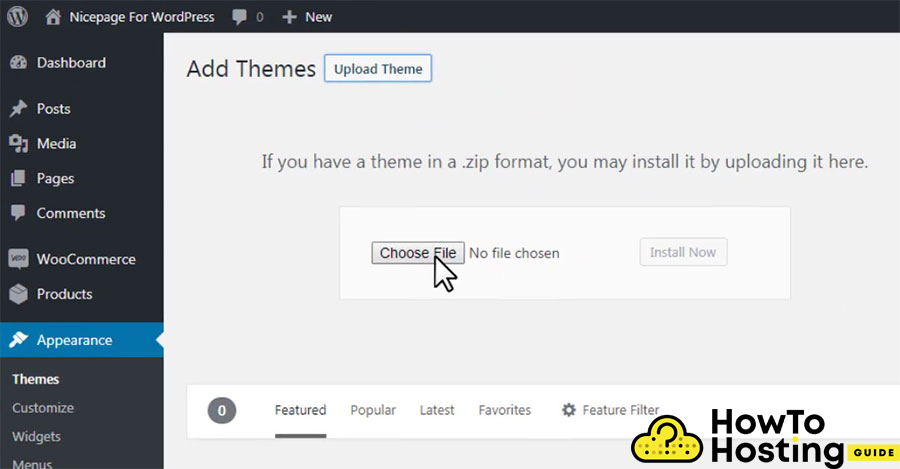
Zuletzt überprüft: September 2026. Fehlerzeichenfolgen wurden aus der WordPress-Kernquelle gelesen 8 September 2026, und gegen WordPress geprüft 7.1.
Woher diese Antworten kamen
Jede hier zitierte Fehlermeldung wurde aus der WordPress-Quelle vorgelesen und nicht aus einer anderen Anleitung kopiert. Die Dateien sind wp-admin/update.php, wp-admin/includes/class-theme-upgrader.php, class-wp-upgrader.php und class-file-upload-upgrader.php, Plus wp-includes/capabilities.php für die Berechtigungsregeln und wp-includes/default-constants.php für die Speichervorgaben. Hier kommt es darauf an, die Quelle zu lesen. Mehrere dieser Meldungen werden durch Code gedruckt, der ausgeführt wird, bevor WordPress etwas über Ihre Datei weiß. Der Wortlaut beschreibt die fehlgeschlagene Prüfung, nicht das Problem, das du hast.
Die PHP-eigenen Standardeinstellungen und der Umfang jeder Einstellung stammen aus dem PHP-Handbuch. Dort gilt auch die Regel .user.ini Dateien, die nur unter CGI und FastCGI laufen, sind dokumentiert. Der Standardwert für die Nginx-Anforderungsgröße stammt aus der Nginx-Anweisungsreferenz, und die Upload-Obergrenzen pro Plan aus der Cache-Dokumentation von Cloudflare. Die Host-Limits ergaben sich aus den Support-Seiten jedes Hosts, nicht aus Zusammenfassungen. Plugin-Version und Installationsdaten stammen von der WordPress.org-Plugin-API. Der Verlauf des WordPress.com-Plans stammt aus archivierten Kopien der eigenen Support-Seite von Automattic.
Es lohnt sich, zwei Grenzen für all dies deutlich hervorzuheben. Wir haben nicht jeden Fehler auf jedem Host reproduziert, Daher handelt es sich bei den Host-Obergrenzen unten um die veröffentlichten Zahlen und nicht um die von uns gemessenen Zahlen. Und ein WAF-Block hängt davon ab, welchen Regelsatz Ihr Host ausführt. In diesem Abschnitt erfahren Sie, wie Sie den Block identifizieren, anstatt eine bestimmte Regel-ID zu versprechen.
Lesen Sie zuerst den zweiten Satz
WordPress durchläuft Ihre Zip-Datei einer Reihe von Prüfungen. Jedes Glied in der Kette druckt seine eigene Nachricht, Und die Meldungen sind präziser, als sie aussehen, wenn man weiß, bei welcher Prüfung sie entstanden sind. Hier ist die Karte.
- “Der Link, dem Sie gefolgt sind, ist abgelaufen.” Ihr Reißverschluss ist größer als post_max_size. Nichts mit Sitzungen oder Cookies zu tun.
- “Die hochgeladene Datei überschreitet die Anweisung upload_max_filesize in php.ini.” Genau das, was es sagt, und die einzige ehrliche Botschaft im Set.
- “Es dürfen nur .zip-Archive hochgeladen werden.” Der Dateiname endet nicht auf .zip. WordPress prüft den Namen, nicht der Inhalt.
- “Inkompatibles Archiv.” Der Name endet auf .zip, aber die Datei ist keine funktionierende ZIP-Datei. Normalerweise ein verkürzter Download.
- “Das Paket konnte nicht installiert werden. Dem Theme fehlt das Stylesheet style.css.” Der Inhalt der ZIP-Datei ist nicht so angeordnet, wie WordPress es erwartet.
- “Das Paket konnte nicht installiert werden. Das Stylesheet style.css enthält keinen gültigen Theme-Header.” Es gibt eine style.css, aber keine Theme-Namenszeile darin.
- “Vorlage fehlt. Eigenständige Themes benötigen eine Vorlagendatei „templates/index.html“ oder „index.php“.” Ein untergeordnetes Thema ohne Template-Header, oder ein Teilthema.
- “Die PHP-Version auf Ihrem Server ist 8.1, Das hochgeladene Theme erfordert jedoch 8.2.” Ihre eigenen Zahlen werden abweichen. Ihr PHP ist zu alt für dieses Theme.
- “Der Zielordner existiert bereits.” Dieser Themenordner ist bereits vorhanden.
- “Auf das Dateisystem konnte nicht zugegriffen werden.” oder ein Formular, in dem nach FTP-Daten gefragt wird. Eine Nichtübereinstimmung der Dateieigentümer, Kein Berechtigungsproblem.
- “Verzeichnis konnte nicht erstellt werden.” WordPress hat den Themenordner erreicht, konnte aber keinen neuen erstellen. Überprüfen Sie zunächst Ihr Festplattenkontingent.
- 413 Anforderungselement zu groß im Browser. Etwas vor PHP hat den Upload abgelehnt.
- 403 verboten ohne WordPress-Stil. Eine Firewall-Regel hat die Anfrage abgebrochen.
- Überhaupt keine Schaltfläche zum Hochladen eines Themas. Eine Fähigkeitsregel, kein Fehler.
Wenn Sie diese Liste durcharbeiten, überspringen Sie den Großteil des Rätselratens. Der Rest dieses Leitfadens behandelt die einzelnen Schritte der Reihe nach.
“Der Link, dem Sie gefolgt sind, ist abgelaufen” Ist eine Größenbeschränkung beim Tragen eines Kostüms
Dies liest sich wie ein Sitzungsproblem, Da suchen die Leute also. Sie löschen Cookies, Abmelden und wieder anmelden, Deaktivieren Sie Caching-Plugins, und nichts davon hilft. Die Produktionskette ist kurz und wissenswert.
PHPs post_max_size Die Direktive begrenzt die Größe einer gesamten Formularübermittlung, und die ausgelieferte Standardeinstellung ist 8 MB. Wenn eine Einreichung diese Obergrenze überschreitet, PHP schneidet es nicht ab und löst keinen Upload-Fehler aus. Das PHP-Handbuch sagt unverblümt, was stattdessen passiert: das $_POST und $_DATEIEN Superglobals sind leer. Ihre Datei ist verschwunden, bevor PHP-Code ausgeführt wird.
WordPress macht dann das, was es immer auf der Theme-Upload-Route tut. Es prüft Ihre Erlaubnis, ruft dann an check_admin_referer um das Sicherheitstoken zu validieren, das das Upload-Formular in den POST-Text eingefügt hat. Dieses Token befand sich im Körper, den PHP gerade verworfen hat. Die Prüfung schlägt fehl, und WordPress druckt, was es für jedes fehlgeschlagene Token druckt: Der Link, dem Sie gefolgt sind, ist abgelaufen. Der Upload-Code ein paar Zeilen weiter unten läuft überhaupt nicht.
Welcher der beiden Größenfehler Sie erhalten, hängt davon ab, wo Ihre Datei zwischen den beiden Grenzwerten liegt. Auf Lager PHP-Einstellungen, ein Thema zwischen 2 MB und 8 MB-Reisen upload_max_filesize und vermittelt Ihnen die ehrliche Botschaft, die es benennt. Gehen Sie nach oben 8 MB und du fliegst vorbei post_max_size, Dadurch wird stattdessen die Nachricht „Abgelaufener Link“ erzeugt. Der deutlichere Fehler wird bei den kleineren Dateien angezeigt, Das ist genau das Gegenteil von dem, was Sie wollen.
Die Diagnose ist also einfach. Überprüfen Sie die Größe Ihrer Theme-ZIP-Datei auf der Festplatte. Wenn es oben ist 8 MB und Sie haben Ihre PHP-Einstellungen nicht geändert, das ist deine Antwort, und keine noch so große Cookie-Löschung wird es verschieben. Erhöhen Sie die beiden Größenbeschränkungen oder Überspringen Sie den Uploader vollständig.
Eine Falte fängt Menschen ein, die bereits aufgewachsen sind upload_max_filesize und bekam erneut den gleichen Fehler. WordPress berechnet die Zahl, die es Ihnen anzeigt untere von upload_max_filesize und post_max_size, aber der obige Fehler wird ausgelöst durch post_max_size allein. Erhöhen Sie nur eine, und Sie erhalten möglicherweise ein Dashboard, das für eine Werbung wirbt 64 MB-Limit, während PHP immer noch alles übersteigt 8 MB. Erhebe beide, und behalten post_max_size der größere von beiden.
“Das Paket konnte nicht installiert werden” Fünf Misserfolge teilen sich eine Schlagzeile
Hier ist der Teil, den die meisten Reiseführer falsch machen. Sie behandeln dies als einen einzelnen Fehler mit einer einzigen Fehlerbehebung. Das ist es nicht. WordPress verwendet diesen Satz als allgemeine Bezeichnung, fügt dann den wahren Grund hinzu. Der zweite Satz sagt Ihnen, was Sie tun sollen. Fünf separate Prüfungen können es ergeben, und sie laufen in dieser Reihenfolge.
1. Kein style.css an der richtigen Stelle
Nach dem Auspacken, WordPress betrachtet die oberste Ebene Ihrer ZIP-Datei. Wenn dort genau ein Element vorhanden ist und es sich um einen Ordner handelt, WordPress behandelt den Inhalt dieses Ordners als Thema. Es erfordert dann eine style.css direkt drin. Wenn die oberste Ebene stattdessen mehrere Gegenstände enthält, WordPress verwendet das Zip-Root als Theme-Ordner, findet dort keine style.css, und stoppt.
Das ist der Mechanismus hinter der ThemeForest-Version dieses Fehlers, was Envato auf einer eigenen Hilfeseite dokumentiert. Envato erklärt den Auslöser. ThemeForest bietet zwei Downloads an: “Alle Dateien & Dokumentation” und “Nur installierbare WordPress-Datei”. Die Anweisung von Envato lautet: Hochladen nur die installierbare Theme-ZIP-Datei, der nach dem Thema benannte. Der vollständige Download enthält Dokumentation, Lizenzzertifikate, Demo-Inhalte und oft ein untergeordnetes Thema neben dem Thema. Seine Wurzel enthält viele Gegenstände, und keines davon ist style.css. Entpacken Sie den großen Download, Finden Sie darin den Reißverschluss des Themas, lade das hoch.
Der gleiche Fehler trifft Leute, die ihre eigene ZIP-Datei erstellen, indem sie die Dateien in einem Themenordner auswählen und diese komprimieren. Damit befindet sich style.css im Zip-Root mit einem Dutzend Geschwistern. Komprimieren Sie den Ordner selbst, nicht, was drin ist.
2. style.css existiert, hat aber keinen Theme-Header
Hier ändert sich die Meldung und besagt, dass das Stylesheet keinen gültigen Theme-Header enthält. WordPress liest style.css und sucht nach einem Themenname: Zeile im Kommentarblock oben, und lehnt das Paket ab, wenn es nicht vorhanden ist. Dies zeigt sich auf zwei Arten. Ein Tool hat den Header-Kommentar entfernt, als jemand die Datei gespeichert hat, oder die Zip-Datei enthält ein Stylesheet von etwas, das nie ein Thema war.
3. Keine Vorlagendatei
Die Meldung besagt, dass die Vorlage fehlt. Ein eigenständiges Theme muss beides enthalten index.php (Klassiker) oder templates/index.html (Block). Ein untergeordnetes Thema ist ausgenommen, aber nur, wenn seine style.css ein enthält Vorlage: Zeile, die ihr übergeordnetes Element benennt. Untergeordnete Themen, die ohne diese Zeile verteilt werden, schlagen hier fehl, Dies gilt auch für unvollständige Uploads, bei denen das Archiv Dateien verloren hat.
4. PHP zu alt
Sie erhalten die aktuelle und die erforderliche Version im selben Satz, Dies macht es zu dem am einfachsten umzusetzenden der fünf. WordPress liest die Themes Erfordert PHP Header und vergleicht ihn mit dem, was Ihr Server ausführt. Die Lösung liegt auf der Seite Ihres Hosts, nicht in WordPress, Bei den meisten Bedienfeldern dauert es etwa eine Minute. Unser Leitfaden zu Fixierung der “WordPress erfordert eine neue PHP-Version” Warnung zeigt an, wo sich dieses Dropdown in den einzelnen Panels befindet, und was man zuerst prüfen sollte.
5. WordPress zu alt
Gleiche Form, anderer Header. Das Thema erklärt Erfordert mindestens und Ihre Installation befindet sich darunter. WordPress aktualisieren, dann erneut hochladen.
Es gibt eine sechste Variante, die lautet “Das Paket enthält keine Dateien.” Das bedeutet, dass das Archiv nichts entpackt hat, was in der Praxis einen beschädigten Download bedeutet.
“Nur .zip-Archive” und “Inkompatibles Archiv.” Sind verschiedene Probleme
Diese beiden sehen austauschbar aus, sind es aber nicht. Die erste ist eine Dateinamenprüfung, und es ist strenger als die Leute erwarten. WordPress schreibt Ihren Dateinamen in Kleinbuchstaben und testet, ob er auf .zip endet. Das ist der ganze Test. Eine .rar oder .tar.gz wird hier abgelehnt, und das Gleiche gilt für eine Datei, in die Ihr Betriebssystem hilfreicherweise umbenannt wurde theme.zip.download. Bislang wurde außer dem Namen noch nichts untersucht.
Die zweite Nachricht bedeutet, dass der Name übergeben wurde, der Inhalt jedoch nicht. Schon seit WordPress 6.4.4, freigegeben 9 April 2024, Core validiert das Archiv, bevor es entpackt wird. Eine Datei, die keine funktionierende ZIP-Datei ist, wird frühzeitig und sauber abgefangen. Die übliche Ursache ist ein unterbrochener Download. Laden Sie das Thema erneut herunter, Vergleichen Sie die Dateigröße mit den Angaben des Anbieters, und versuchen Sie es erneut.
Noch ein Wort zur Umbenennung, weil dieser Ratschlag im Umlauf ist und nicht funktioniert. Wenn Sie eine .rar-Erweiterung in .zip ändern, überspringen Sie die erste Prüfung und gelangen direkt zur zweiten. RAR und ZIP sind unterschiedliche Formate. Sie benötigen die tatsächliche Postleitzahl, oder ein Archivierungstool, um den Inhalt neu zu packen.
“Zielordner existiert bereits” Bedeutet normalerweise, dass Sie ein Update durchführen
WordPress überschreibt einen Theme-Ordner nicht ohne Aufforderung. Wenn wp-content/themes/yourtheme ist schon da, Die Installation wird mit dieser Meldung abgebrochen. In aktuellen Versionen erhalten Sie nicht nur den Fehler, obwohl. WordPress zeigt eine Bildschirmüberschrift an “Dieses Theme ist bereits installiert”, Vergleich der installierten und hochgeladenen Kopien nebeneinander. Es listet den Themennamen auf, Ausführung, Autor, erforderliche WordPress-Version, erforderliche PHP-Version und übergeordnetes Theme, bietet dann an, die aktuelle Kopie zu ersetzen.
Nehmen Sie diesen Vergleich ernst, bevor Sie durchklicken. Wenn die hochgeladene Version ist untere als das installierte, WordPress warnt Sie und fordert Sie auf, zuerst ein Backup zu erstellen. Das ist der Bildschirm, der Leute auffängt, die statt der aktuellen Version eine alte Zip-Datei aus ihrem Download-Ordner geholt haben.
Wenn Sie den bloßen Fehler ohne Vergleichsbildschirm sehen, Der Ordner existiert, aber WordPress konnte nicht genug von Ihrem Upload lesen, um ihn vergleichen zu können. Löschen Sie zuerst den alten Theme-Ordner über SFTP, dann erneut hochladen. Löschen Sie das Theme, das Sie gerade ausführen, nicht, solange es aktiv ist, obwohl. Wechseln Sie zunächst zu einem Standardthema. Unser Leitfaden zum Thema Ein WordPress-Theme sicher ändern deckt ab, was kaputt geht, wenn Sie das tun.
Es gibt überhaupt keine Schaltfläche zum Hochladen eines Themes
Das ist kein Fehler, Es gibt also nichts zu suchen, Deshalb verschwendet es so viel Zeit. Drei Regeln können die Schaltfläche ausblenden, nur einer davon ist verhandelbar, und eine vierte Sache verbirgt es, die überhaupt keine Regel ist.
Multisite. Bei einer Netzwerkinstallation, Core verweigert jedem, der kein Super Admin ist, die Möglichkeit zum Hochladen von Themes. Nicht “verbirgt es standardmäßig”, nicht “Ihr Gastgeber hat es ausgeschaltet”. Ein normaler Site-Administrator in einem Multisite-Netzwerk kann kein Theme hochladen, und kein Plugin oder Rolleneditor ändert das sauber. Themes werden einmal auf Netzwerkebene installiert und dann pro Site aktiviert. Wenn Sie ein Site-Administrator sind, Ihr Netzwerkadministrator muss es tun.
DISALLOW_FILE_MODS. One line in wp-config.php switches off all plugin and theme installing and updating from the admin. It removes the button rather than showing a message. Managed hosts set it routinely, and so do agencies locking down client sites. Search wp-config.php for it. If you own the server, removing the line restores the button. If you’re on managed hosting, Diese Konstante ist normalerweise absichtlich vorhanden und Ihr Gastgeber möchte wissen, warum Sie sie ändern.
Ihre Benutzerrolle. Nur Administratoren erhalten diese Funktion. Wenn Sie Redakteur sind, das ist die Antwort.
Es gibt einen vierten Fall, der identisch aussieht, es aber nicht ist. Core markiert die Schaltfläche „Thema hochladen“ als „Nur JavaScript“., und das dahinter liegende Upload-Formular wird in CSS ausgeblendet, bis JavaScript es anzeigt. Wenn also Ihr Administrator-JavaScript kaputt geht, beide verschwinden gleichzeitig und nichts auf dem Bildschirm erwähnt Berechtigungen. Der Tell ist eine Mitteilungslesung “Für den Theme-Installer-Bildschirm ist JavaScript erforderlich”, was WordPress nur anzeigt, wenn JavaScript nicht ausgeführt wird. Wenn Sie das sehen, sind Ihre Berechtigungen in Ordnung. Verfolgen Sie den Plugin-Konflikt oder das blockierte Skript, oder nur Installieren Sie das Theme manuell und mich später mit dem JavaScript befassen.
WordPress.com ist ein eigener Fall, Und die Regel wurde kürzlich so geändert, dass die meisten Reiseführer immer noch falsch liegen. WordPress.com hat das Hochladen benutzerdefinierter Themes in seine Personal- und Premium-Pläne zwischenzeitlich eröffnet 15 November und 12 Dezember 2025. Archivierte Kopien der Support-Seite bestätigen die Änderung. Auf 15 November hieß es auf der Seite noch “Geschäfts- und Handelspläne, und der alte Pro-Plan”. Durch 12 Im Dezember wurden alle vier kostenpflichtigen Pläne aufgelistet. Wenn Ihnen jemand gesagt hat, dass der Businessplan das Minimum für ein Theme-Zip ist, Dieser Rat ist ungefähr ein Jahr alt. Darauf zu reagieren ist teuer. Persönliche Kosten betragen 4 USD/Monat, geschäftliche Kosten 25 USD/Monat, Die falsche Beratung belastet Sie also US Dollar 252 zusätzlich pro Jahr. Kostenlose Websites können immer noch keine Themen hochladen. Es gibt auch eine schwierige 50 MB Kap zum Thema Zip dort, getrennt von allem, was PHP tut.
WordPress fragt nach FTP-Anmeldeinformationen, anstatt es zu installieren
Sie klicken auf „Installieren“ und WordPress fragt nach einem Hostnamen, Benutzername und Passwort. Dies ist das Symptom, das am ehesten zu wirklich gefährlichen Ratschlägen führt, Hier ist also, was tatsächlich passiert.
Bevor Sie etwas anfassen, WordPress schreibt eine temporäre Datei hinein wp-Inhalt. Anschließend werden zwei Eigentümer verglichen: der Besitzer dieser neuen Datei, und der Besitzer der WordPress-PHP-Dateien, die sich bereits auf der Festplatte befinden. Wenn sie übereinstimmen, WordPress kommt zu dem Schluss, dass es sicher selbst Dateien schreiben kann und macht damit weiter. Wenn sie nicht übereinstimmen, oder der Schreibvorgang schlägt völlig fehl, WordPress fragt Sie stattdessen nach FTP- oder SSH-Details. Es möchte als Benutzer agieren, dem es vertraut.
Lesen Sie das noch einmal, weil die Konsequenz zählt. Der Standardauslöser ist ein Eigentumskonflikt, Kein Berechtigungsproblem. Wenn Sie den Ordner für alle Benutzer schreibbar machen, werden die Besitzer nicht übereinstimmend angezeigt. Dadurch ist Ihr Theme-Verzeichnis nur für jedes andere Konto auf dem Server beschreibbar. Beim Shared Hosting ist das ein echtes Highlight, and on any server it’s a bad trade. Never chmod 777 a WordPress directory to get past this prompt.
Three fixes work, in this order of preference.
- Ask your host to fix ownership so the web server user owns the files. It’s a two-minute job for them and the right answer on a properly configured server.
- Hinzufügen definieren(‘FS_METHOD’, ‘direct’); to wp-config.php. That tells WordPress to write directly and skip the ownership test. It only helps if the directory is actually writable.
- Enter the FTP credentials. Inelegant, but the prompt does work.
If none of those appeal, Installieren Sie das Theme manuell and the question disappears.
Die Grenzen selbst erhöhen, und was Sie nicht aufbringen können
PHP ships with upload_max_filesize at 2M, post_max_size at 8M und memory_limit at 128M. Most hosts raise these, but plenty of budget shared plans don’t raise them much. Four settings matter for theme uploads, and where you can change them depends on how PHP runs on your server.
The method that works on most modern hosting is a .user.ini file in your WordPress root, next to wp-config.php. PHP reads it when it runs under CGI or FastCGI, and that includes PHP-FPM (FastCGI-Prozessmanager, the way most control panels run PHP now). If your host uses PHP-FPM, this is your file. Four lines:
- upload_max_filesize = 64M
- post_max_size = 64M
- memory_limit = 256M
- max_execution_time = 300
That last line matters on slow connections. A large upload that takes longer than PHP allows gets killed mid-transfer, and you get a blank page rather than a message. Now the part that makes people give up on the file and go edit something else. PHP caches these files, und the default cache is 300 Sekunden. Speicher die Datei, wait five minutes, then reload the theme upload screen. WordPress zeigt das aktuelle Maximum auf der Upload-Seite der Medienbibliothek an, wenn Sie bestätigen möchten, dass die neue Anzahl wirksam wurde.
Die Alternative ist .htaccess mit php_value upload_max_filesize 64M und Freunde. Dies funktioniert, wenn PHP als Apache-Modul ausgeführt wird, und es funktioniert auf LiteSpeed, Das ist es, was viele cPanel-Hosts ausführen. Es funktioniert nicht auf Apache mit PHP-FPM, und der Misserfolg dort ist schlimm. Apache erkennt es nicht php_value ohne mod_php, das ältere Modul, das PHP in Apache selbst ausführte. Eine nicht erkannte Direktive in .htaccess führt dazu, dass Apache eine zurückgibt 500, Sie haben also jede Seite der Website entfernt, nicht nur der Upload. Wenn Sie diese Route ausprobieren, Lassen Sie die ursprüngliche .htaccess-Datei in einem anderen Tab geöffnet, damit Sie sie wieder einfügen können.
Einige Einstellungen können Sie in Ihrem Konto überhaupt nicht ändern, was auch immer irgendein Tutorial sagt. PHP klassifiziert file_uploads und upload_tmp_dir as system-level, so they’re settable only in the main php.ini. If uploads are switched off server-wide, or the temp directory is broken and you’re seeing “Missing a temporary folder”, that is a support ticket. upload_max_filesize und post_max_size are per-directory settings, which is exactly why the .user.ini and .htaccess methods reach them.
Memory has a similar catch. Hinzufügen definieren(‘WP_MEMORY_LIMIT’, '256M'); to wp-config.php is standard advice, und es passiert nichts, wenn Ihr Host das Speicherlimit auf Serverebene gesperrt hat. WordPress erhöht den Speicher, indem es die PHP-eigene Funktion aufruft, und PHP weigert sich. WordPress prüft vor dem Versuch, ob der Wert änderbar ist. Wenn nicht, Ihre Definition wird stillschweigend ignoriert.
Die veröffentlichten Obergrenzen unterscheiden sich stärker als erwartet, Und wenn Sie die Nummer Ihres Gastgebers kennen, wissen Sie, ob Sie sich die Mühe machen sollten. WP Engine-Sets 50 MB standardmäßig und 1 MB auf Multisite. Es wird das erhöhen 256 MB auf Anfrage, und möchte darüber hinaus SFTP oder SSH. Kinsta startet Websites unter 128 MB. SiteGround-Sets 256 MB und verschiebt es nicht auf gemeinsame Pläne. Hostinger stellt den Wert direkt in hPanel unter PHP-Konfiguration bereit. Wenn die Obergrenze Ihres Plans für die Themen, mit denen Sie arbeiten, zu niedrig ist und der Support nicht nachgibt, Das ist ein Hosting-Problem, kein WordPress. Unser Shared-Hosting-Vergleich listet auf, was die günstigeren Tarife tatsächlich erlauben.
Wenn der Upload PHP nie erreicht
Bei jedem oben genannten Fix wird davon ausgegangen, dass Ihre Datei an PHP gelangt. Manchmal ist das nicht der Fall, und dann sind PHP-Einstellungen irrelevant, egal wie hoch Sie sie einstellen. Vorne sitzen zwei Lagen, und jedes hat einen unverwechselbaren Fingerabdruck.
413 Anforderungselement zu groß. Auf Nginx kommt das her client_max_body_size, und der dokumentierte Standard von Nginx ist 1 MB. Das ist kleiner als PHPs eigene Standardeinstellung, und kleiner als die meisten Premium-Reißverschlüsse. Die Einstellung befindet sich in der Serverkonfiguration, Beim verwalteten Nginx-Hosting handelt es sich also um eine Supportanfrage. Auf Ihrem eigenen Server, Erhöhen Sie es im Serverblock und laden Sie es neu. Cloudflare gibt denselben Statuscode von seiner eigenen Obergrenze zurück. Diese Obergrenze ist 100 MB auf Free und Pro, 200 MB im Geschäft, und bis zu 5 GB auf Enterprise. Das Limit von Cloudflare gilt nur für sehr große Dateien. Sehen a 413 auf einen 20 MB-Thema hinter Cloudflare? Nginx ist der wahrscheinlichere Schuldige. Sie können dies testen, indem Sie Cloudflare kurz anhalten und es erneut versuchen.
403 Ohne WordPress-Stil verboten. Das ist eine Webanwendungs-Firewall. ModSecurity und Imunify360 prüfen den Anfragetext, und eine ZIP-Datei voller PHP-Dateien verstößt gegen Regeln, die zum Abfangen hochgeladener Malware geschrieben wurden. Es handelt sich um ein bekanntes Fehlalarm bei WordPress-Administratoraktionen, und CloudLinux veröffentlicht einen Support-Artikel über WAF-Regeln, die Site-Updates und Administratorzugriff blockieren. Sie können dies nicht in WordPress beheben. Bitten Sie Ihren Host, das WAF-Protokoll auf den Zeitstempel Ihres Uploads zu überprüfen und die ausgelöste Regel auf die Whitelist zu setzen. Wenn Ihr Gastgeber Ihnen ein Imunify-Dashboard zur Verfügung stellt, Die blockierte Anfrage erscheint unter Vorfälle mit einem Steuerelement zum Deaktivieren dieser Regel.
Hier finden Sie eine schnelle Möglichkeit, diese von einem PHP-Problem zu unterscheiden. Ein WAF- oder Proxy-Block gibt Ihnen eine reine Serverfehlerseite, ohne Admin-Leiste und ohne Styling. Durch ein PHP-Limit erhalten Sie eine Fehlerseite im WordPress-Stil. Wenn die Seite immer noch wie WordPress aussieht, Die Anfrage kam durch.
Installation ohne Uploader
Der Dashboard-Uploader ist praktisch, keine Voraussetzung. WordPress findet Themes, indem es ein Verzeichnis durchsucht, Das Ablegen des Ordners dort funktioniert also auf jeden Fall identisch. Wenn Sie zwanzig Minuten mit Grenzen verbracht haben, Wechseln Sie zu einem davon und fahren Sie fort. (Es gibt keinen Preis dafür, dass der Uploader funktioniert.)
Über SFTP oder einen Dateimanager. Entpacken Sie das Theme auf Ihrem Computer. Sie sollten am Ende einen einzelnen Ordner haben, der auf der obersten Ebene „style.css“ enthält. Laden Sie diesen Ordner hoch wp-content / themen. Aussehen neu laden > Themen und es ist da, bereit zur Aktivierung. Dadurch wird jedes PHP-Limit umgangen, alle WAF-Regeln und die Eingabeaufforderung für FTP-Anmeldeinformationen in einem Schritt, weil nichts über den Webserver gepostet wird. Bei den meisten Systemsteuerungs-Dateimanagern können Sie die ZIP-Datei auch hochladen und an Ort und Stelle extrahieren, was bei einer langsamen Verbindung schneller ist.
Mit WP-CLI. Wenn Sie SSH haben, wp theme install ../my-theme.zip wird aus einer lokalen Datei installiert, und hinzufügen –aktivieren Sie schaltet sofort darauf um. Es gibt auch –Gewalt um eine vorhandene Kopie zu überschreiben, Dies ist das Befehlszeilenäquivalent von “bereits installiert” Bildschirm. Wenn ein Theme durch einen Versionsheader blockiert wird, sind Sie sich sicher, –Ignoriere-Anforderungen installiert es trotzdem. Seien Sie vorsichtig mit dem letzten. Der Autor hat diesen Header gesetzt, weil er erwartet, dass das Theme auf älterem PHP nicht funktioniert.
Eine Warnung für beide Routen. Durch das manuelle Hochladen wird ein Thema ohne jegliche Validierung durch den Kern auf die Website gestellt. Ein Theme, dem style.css fehlt, wird einfach nicht in der Theme-Liste angezeigt, ohne Fehler zu erklären, warum. Wenn der Ordner vorhanden ist und WordPress ihn nicht anzeigt, Öffnen Sie style.css und überprüfen Sie den Header „Theme Name“..
Welchen Fix Sie zuerst ausprobieren sollten
Die Reihenfolge ist wichtiger als die einzelnen Korrekturen, denn zwei Minuten Überprüfung sparen eine Stunde Bearbeitung von Konfigurationsdateien. Arbeiten Sie diese der Reihe nach durch.
- Überprüfen Sie die Dateigröße der Zip-Datei. Unter 8 MB und scheitert? Springe weiter, Es ist keine Grenze. Über 8 MB mit einem “abgelaufener Link” Error? Das ist Ihre Antwort.
- Überprüfen Sie den Inhalt der Zip-Datei. Öffne es. Ein Ordner oben, style.css darin, bedeutet, dass das Paket in Ordnung ist. Irgendetwas anderes, insbesondere eine Dokumentationsmappe, bedeutet, dass Sie den falschen Download haben.
- Lesen Sie den zweiten Satz. Das Karte oben bringt Sie direkt zur Sache.
- Versuchen Sie es mit einem kleinen Thema. Installieren Sie Twenty Twenty-Five, die aktuelle Standardeinstellung, direkt aus dem Theme-Verzeichnis. Wenn das funktioniert, Ihr Uploader und Ihre Berechtigungen sind in Ordnung, und das Problem ist Ihre Datei oder deren Größe. Wenn es auch scheitert, Das Problem ist serverweit.
- Schauen Sie sich die Fehlerseite an. WordPress-Styling bedeutet, dass PHP ausgeführt wurde. Eine nackte 403 oder 413 bedeutet, dass dies nicht der Fall war.
- Nur dann, Konfigurationsdateien bearbeiten. Beginnen Sie mit .user.ini, warte die vollen fünf Minuten, und bestätigen Sie das neue Limit, bevor Sie etwas anderes ändern.
Wenn Sie unter Zeitdruck auf einer Live-Site eine Fehlerbehebung durchführen, Kehren Sie diese Reihenfolge um und einfach SFTP den Ordner an Ort und Stelle. Bringen Sie die Website zum Laufen, Finden Sie dann heraus, warum der Uploader fehlgeschlagen ist, wenn niemand wartet.
An dieser Stelle noch ein Wort zu dem Tool, zu dem Sie in den meisten Ratgebern weitergeleitet werden. Gesundheitscheck & Zur Eingrenzung von Plugin-Konflikten wird weiterhin überall eine Fehlerbehebung empfohlen, und das hat es immer noch 200,000 aktive Installationen. Aber die letzte Veröffentlichung von WordPress.org war Version 1.7.1 auf 25 Juli 2024, nur bis WordPress getestet 6.6.7. Ausführen eines zwei Jahre alten Diagnose-Plugins für WordPress 7.1 Das Debuggen eines Uploads ist eine seltsame Möglichkeit, Ihre Variablen zu reduzieren. Benennen Sie den Plugins-Ordner stattdessen über SFTP um: es ist schneller, es ist reversibel, und es fügt der Installation, die Sie diagnostizieren möchten, keinen Code hinzu.
Häufig gestellte Fragen
Warum sagt WordPress “Der Link, dem Sie gefolgt sind, ist abgelaufen” wenn ich ein Theme hochlade?
Weil die Zip-Datei Ihres Themes größer ist als die von PHP post_max_size Rahmen, was standardmäßig ist 8 MB. PHP verwirft die gesamte Übermittlung, wenn diese Obergrenze überschritten wird, einschließlich des Sicherheitstokens, das WordPress zuerst prüft. WordPress erkennt ein fehlendes Token und gibt die Standardnachricht über einen abgelaufenen Link aus. Erheben post_max_size und upload_max_filesize zusammen, oder installieren Sie das Theme über SFTP.
Wie groß kann eine WordPress-Theme-ZIP-Datei sein??
WordPress selbst setzt keine Grenzen. Ihre Obergrenze ist die niedrigere Ihres Gastgebers upload_max_filesize und post_max_size, und alles, was Nginx oder Cloudflare vor ihnen erzwingt. Die veröffentlichten Standardwerte sind sehr unterschiedlich: WP Engine-Sets 50 MB, Kinsta 128 MB, SiteGround 256 MB, und nur PHP auf Lager 2 MB. WordPress.com caps theme zips at 50 MB regardless of plan.
Warum gibt es in meinem WordPress-Dashboard keine Schaltfläche zum Hochladen eines Themes??
Three likely reasons. You’re on a multisite network and aren’t a Super Admin, in which case core blocks it and only your network admin can install themes. Or wp-config.php contains DISALLOW_FILE_MODS, which most managed hosts set deliberately. Or your account isn’t an administrator. None of these produce an error message, which is why the button just isn’t there.
Benötige ich den Businessplan, um ein benutzerdefiniertes Theme auf WordPress.com hochzuladen??
Nicht mehr. WordPress.com hat das Hochladen benutzerdefinierter Themes auf Business eingeschränkt, Commerce und der alte Pro-Plan bis spät in die Nacht 2025. Auf der Support-Seite sind auch Personal und Premium aufgeführt 12 Dezember 2025. Kostenlose Websites können immer noch keine Themen hochladen. Wenn Sie in einem Leitfaden aufgefordert werden, den Business-Plan zu kaufen, dient lediglich die Installation eines Zip-Themes, Schauen Sie sich die Seite mit dem aktuellen Tarif an, bevor Sie bezahlen.
Kann ich ein WordPress-Theme ohne den Dashboard-Uploader installieren??
Ja, und es geht oft schneller. Entpacken Sie das Theme, Kopieren Sie dann den Ordner hinein wp-content / themen über SFTP oder mit dem Dateimanager Ihres Hosts. WordPress erkennt es beim nächsten Laden der Seite. Mit SSH-Zugriff, wp theme install ../my-theme.zip –aktivieren Sie macht dasselbe in einem Befehl. Beide Routen umgehen PHP-Upload-Limits, Firewallregeln und die Eingabeaufforderung für FTP-Anmeldeinformationen.
Ist es sicher, den Themenordner auf festzulegen? 777 um einen Upload-Fehler zu beheben?
Nein, und es behebt es normalerweise nicht einmal. Wenn WordPress nach FTP-Anmeldeinformationen fragt, Der Auslöser ist ein Eigentumskonflikt. Der Eigentümer neu erstellter Dateien unterscheidet sich vom Eigentümer Ihrer WordPress-Dateien. Berechtigungen sind nicht das Problem. Einstellung 777 Macht das Verzeichnis für jedes Konto auf dem Server beschreibbar, ohne dass sich der Besitzer ändert. Bitten Sie Ihren Host, den Dateieigentum zu korrigieren, oder hinzufügen definieren(‘FS_METHOD’, ‘direct’); to wp-config.php.
Bei welchen Hostern kann ich das Upload-Limit selbst erhöhen?, und die mich dazu bringen, um Unterstützung zu bitten?
Bei Hosts mit einem PHP-Einstellungsfeld können Sie es direkt ändern. Hostinger macht es in hPanel unter PHP-Konfiguration verfügbar, und die meisten cPanel-Hosts stellen es in den MultiPHP INI-Editor. Bei verwalteten Hosts ist dies im Allgemeinen nicht der Fall. WP Engine benötigt eine Supportanfrage, um darüber hinauszugehen 50 MB-Standard, zu einem 256 Maximal MB. SiteGround wird seine nicht erhöhen 256 MB-Obergrenze für gemeinsame Pläne überhaupt. Auf jedem Host, auf dem PHP-FPM läuft, können Sie auch selbst eine .user.ini-Datei ausprobieren, bevor Sie jemanden kontaktieren.
Fazit
Fehler beim Hochladen von Themes wirken zufällig, da die Fehlermeldungen die fehlgeschlagene Prüfung beschreiben und nicht den Fehler, den Sie gemacht haben. Sie sind nicht zufällig. Ein Reißverschluss vorbei 8 MB sendet Ihnen eine Nachricht über abgelaufene Links. Beim vollständigen Download von ThemeForest erhalten Sie eine Meldung über ein fehlendes Stylesheet. Ein Multisite-Site-Administrator erhält keine Schaltfläche und überhaupt keine Erklärung. Ordnen Sie mithilfe der Liste oben auf dieser Seite das Symptom der Ursache zu, und die meisten davon lösen sich innerhalb weniger Minuten auf.
Wenn sie es nicht tun, Hören Sie auf, gegen den Uploader zu kämpfen. Kopieren eines Theme-Ordners in wp-content / themen über SFTP funktioniert auf jedem Host, Benötigt keine Konfigurationsänderungen, und dauert weniger Zeit als ein Support-Ticket. Behalten Sie den Uploader für die Tage, an denen er kooperiert.
Die Installation des Themes ist selten der letzte Schritt, Hier sind also die Anleitungen für das, was normalerweise als nächstes kommt. Behebung von Abstürzen bei der WordPress-Anmeldung ist derjenige, den Sie lesen sollten, wenn ein neues Theme Sie von wp-admin ausgeschlossen hat. Und “wegen geplanter Wartungsarbeiten kurzzeitig nicht verfügbar” erklärt die Datei, die eine fehlgeschlagene Installation manchmal hinterlässt. Und wenn Sie ein vorhandenes Thema ersetzen, anstatt eines hinzuzufügen, Lesen Sie unseren Leitfaden zum sicheren Ändern eines WordPress-Themes, oben verlinkt. Es behandelt, was bei der Aktivierung kaputt geht und wie man ein Rollback durchführt.