
 Stabiler Punkt

 HostArmada

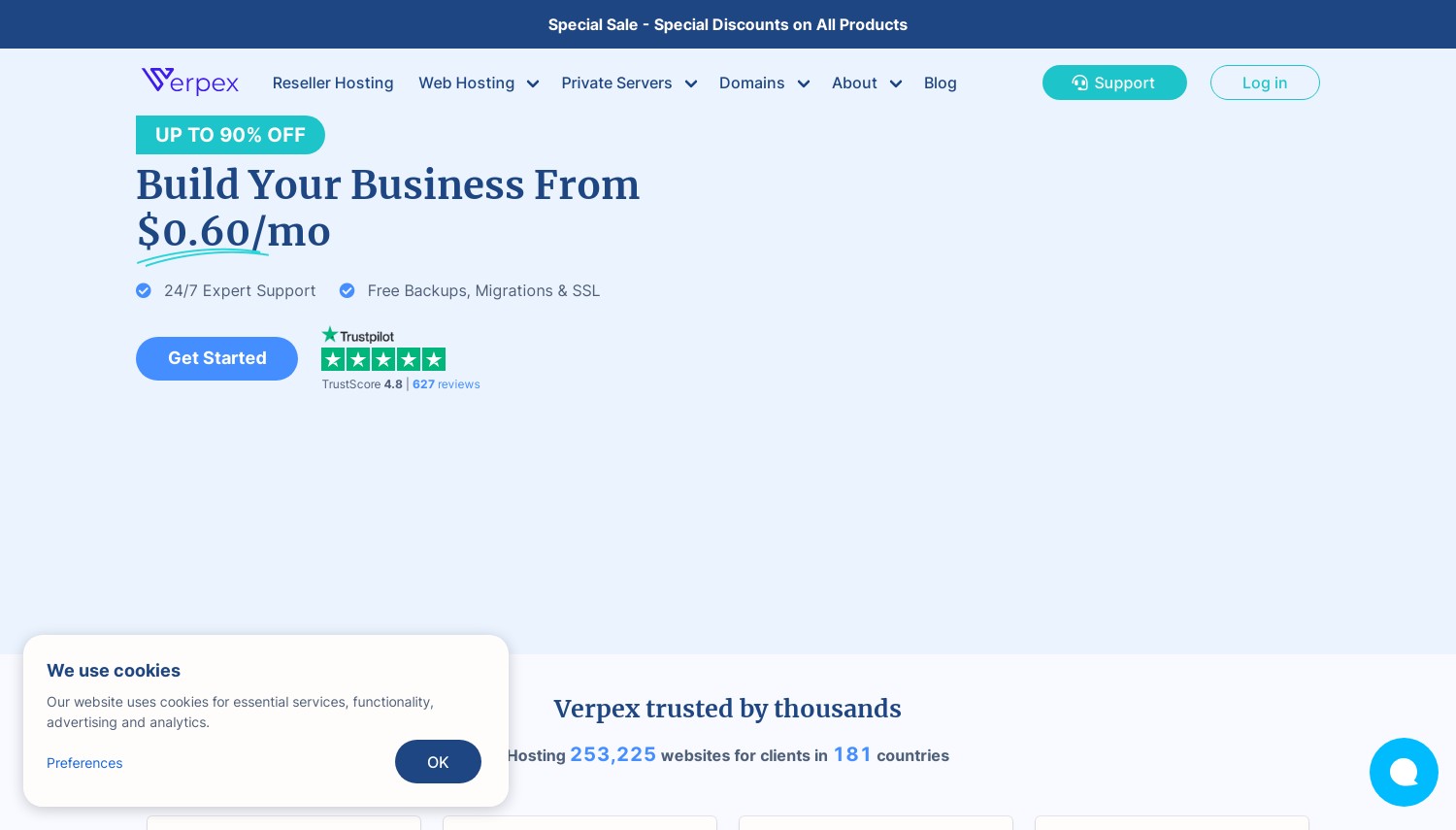
 Verpex-Hosting



















Auf dieser Seite: [ausblenden]
Eine cPanel Premier-Lizenz kostet ein Hosting-Unternehmen USD 69.99 einen Monat laufen 100 Kundenkonten. Das gilt für USD 0.70 pro Standort, pro Monat, vor Elektrizität, Hardware-, Bandbreite oder ein einzelnes Support-Ticket. Schauen Sie sich nun den Plan an, der Ihnen für USD angeboten wird 1.99. Die Arithmetik löst auf zwei Arten auf: Legen Sie weitere Websites auf die Box, oder Ihnen später viel mehr berechnen. Die meisten Budget-Gastgeber tun beides.
Schnelle Antwort: Raten Sie nicht, was langsames Hosting Sie kostet. Ermitteln Sie stattdessen Ihre Gewinnschwelle. Teilen Sie den monatlichen Preisunterschied zwischen Ihrem günstigen und einem schnelleren Tarif durch den monatlichen Umsatz Ihrer Website. Wenn diese Nummer darunter landet 1%, Aktualisieren Sie noch heute. Für fast jede Seite, die Geld verdient, das tut es. Die Zahl, die Sie beunruhigen sollte, ist nicht die Geschwindigkeit, es ist der Erneuerungsmultiplikator. IONOS verkauft seinen Bestseller-Plan für 1 USD/Monat, dann Gebühren USD 14/Monat ab Monat 13.

Zuletzt überprüft: September 2026. Preise und Ausstattung überprüft.
Wie wir dieses Kostenmodell erstellt haben
Alle unten aufgeführten Preise stammen von der Preisseite des Anbieters 17 September 2026, Lesen Sie in einem Browser, wo die Seite Preise mit JavaScript eingefügt hat. Hier wird nichts von einem Bewertungsaggregator oder einer Gutscheinseite zitiert, denn diese tragen veraltete Zahlen und wir hätten keine Möglichkeit, sie zu datieren.
Drei Ausschlussregeln prägten den Ausschlag. Zuerst, Wir haben alle Zahlen gestrichen, die ein Anbieter nicht selbst veröffentlicht hat. Verpex zeigt in seiner Plantabelle Verlängerungspreise, jedoch keinen Aktionspreis an. Deshalb melden wir die Verlängerung und lassen den Rabatt leer, anstatt zu raten. Zweite, Wir haben Pläne ignoriert, bei denen der beworbene Preis eine Vorauszahlung von mehr als 48 Monaten erfordert. Dritte, Die Umrechnungsberechnung basiert nur auf einer Studie: die von Google in Auftrag gegebene Studie von Deloitte und der Agentur 55. Es handelt sich um den einzigen großen Datensatz, der unter den gemessenen Metriken auch die Serverlatenz nennt.
Die Gewichtung spiegelt die Frage wider, die dieser Artikel stellt. Am wichtigsten ist das Verhältnis von Eintritt zu Erneuerung, gefolgt von dem, was die Billigstufe einbehält (Webserver, CPU-Anteil, CDN), dann veröffentlichte Ressourcenobergrenzen. Verfügbarkeitsabzeichen hatten überhaupt keine Bedeutung. Sie sind selbstberichtet und nicht fälschbar.
Was wir nicht getan haben: Wir haben keine synthetischen Lasttests durchgeführt und keine TTFB auf Live-Kundenkonten gemessen. Wir haben auch keine Möglichkeit zu sehen, wie viele Konten ein Host auf einem Computer bereitstellt. Unsere Angaben zur Geschwindigkeit beschränken sich auf das, was Anbieter über ihre eigenen Stufen veröffentlichen. Wenn ein Anbieter es ablehnte, irgendwo auf seiner Website einen Verlängerungspreis anzugeben, wir sagen es, anstatt es zu schätzen.
Die Geschwindigkeitsformel für günstiges Hosting
Die meisten Artikel zu diesem Thema versuchen, Ihre Verluste vorherzusagen. Sie erstellen eine Conversion-Statistik, Multiplizieren Sie es mit Ihrem Traffic, und gebe dir eine gruselige Nummer. Dieser Ansatz ist kaputt, weil die zugrunde liegenden Forschungsmodelle logarithmisch beschleunigen. Sie können ein 0,1-Sekunden-Ergebnis nicht mit acht multiplizieren und es als 0,8-Sekunden-Ergebnis bezeichnen.
Also drehen Sie die Frage um. Anstatt den Gewinn vorherzusagen, Berechnen Sie, wie gering der Gewinn die Ausgaben rechtfertigen würde. Drei Schritte:
- Schritt 1. Monatlicher Umsatz über die Website (R.) = monatliche Besucher x Conversion-Rate x Wert pro Conversion.
- Schritt 2. Monatliche Upgrade-Kosten (U.) = Verlängerungspreis des schnelleren Plans minus Verlängerungspreis Ihres aktuellen Plans. Nutzen Sie Verlängerungspreise. Aktionspreise werden Sie hier belügen.
- Schritt 3. Break-even-Anhebung (B) = U dividiert durch R, als Prozentsatz.
B ist die Conversion-Verbesserung, die der schnellere Plan liefern muss, um sich zu amortisieren. Jetzt haben Sie etwas zu beurteilen. Die Deloitte-Studie hat eine gemessen 8.4% Conversion-Steigerung auf Mobilgeräten im Einzelhandel von einer Verbesserung um 0,1 Sekunden. Das ist die optimistische Obergrenze, von einer Vertikalen, unter Bedingungen, die wir unten auseinandernehmen werden. Lesen Sie Ihr eigenes B dagegen:
- B unter 1%: Jetzt upgraden. Der schnellere Plan macht sich bezahlt, wenn er die Conversions um einen Rundungsfehler verschiebt.
- B dazwischen 1% und 8%: Überprüfen Sie zuerst Ihre TTFB. Dies lohnt sich nur, wenn die Antwortzeit Ihres Servers wirklich schlecht ist.
- B oben 8%: Hosting ist nicht Ihr Engpass. Geben Sie das Geld für etwas anderes aus.
Folgendes hat uns überrascht, als wir echte Zahlen berechnet haben. B landet fast nie oben 1%.
Nehmen Sie eine Beratungsseite: 8,000 Besucher pro Monat, 2% eine Anfrage senden, 12% der Anfragen schließen bei USD 900. Der Wert pro Anfrage beträgt USD 108, also ist R USD 17,280. Der Wechsel vom Start Dock von HostArmada zum Speed Reaper kostet USD 9.80 mehr pro Monat bei Verlängerung, und es ist der Sprung von NGINX zu LiteSpeed. B klappt bei 0.057%. Nicht 5%. Nullpunkt null fünf sieben.
Oder ein kleiner WooCommerce-Shop: 12,000 Besucher, 1.1% Umwandlung, US Dollar 48 durchschnittliche Bestellung. R ist USD 6,336. Der Wechsel von IONOS Essential zu IONOS Plus kostet für die Verlängerung USD 6 mehr pro Monat und kauft das Fünffache der Serverressourcen plus ein CDN. B ist 0.095%.
Jetzt eine lokale Broschürenseite: 900 Besucher, 3% Anruf, US Dollar 40 pro Anruf. R ist USD 1,080. Derselbe USD 9.80 Upgrade gibt ein B von 0.91%. Immer noch unter 1%, aber nur knapp, und das ist eine Website, die USD verdient 1,080 ein Monat.
Das Muster ist stumpf. Wenn Ihre Website überhaupt etwas verdient, Das Upgrade ist zu billig, um sich darüber den Kopf zu zerbrechen. Der gesamte Unterschied beträgt USD 72 in USD 118 ein Jahr. Und wenn Ihre Website nichts verdient, Dann kostet Sie langsames Hosting auch nichts, und Sie sollten aufhören, Ratschläge zu lesen, die etwas anderes sagen.
Wo ein billiger Server tatsächlich Zeit verliert
“Überverkauf” wird für alles verantwortlich gemacht, und es ist von außen nicht überprüfbar. Sie können nicht zählen, wie viele Konten Ihren Computer gemeinsam nutzen. Was Sie tun können, ist zu lesen, was der Billiganbieter offen verheimlicht, denn die Anbieter veröffentlichen dies selbst.
Der Webserver ist oft das Upgrade selbst. HostArmada führt NGINX auf Start Dock und Web Warp aus. LiteSpeed, Der Webserver, den die meisten Budget-Hosts als ihren Geschwindigkeitsvorteil vermarkten, erscheint nur auf Speed Reaper. Ein Käufer entscheidet sich also für HostArmada aufgrund seines schnellen Rufs, Wählen Sie dann den günstigsten Plan, um Geld zu sparen, bekommt nicht das, wofür sie gekommen sind. Das ist die Falle im Kleinformat.
IONOS ist noch unverblümter, Und genau aus diesem Grund ist es die nützlichste Preisseite im Bereich Budget-Hosting. Seine Pläne werden nach bewertet “Zugriff auf Serverressourcen”: Essential erhält Standard, Starter wird erweitert, Plus bekommt 5x, Ultimate erhält 10x. Das ist ein Anbieter, der Ihnen im Klartext mitteilt, dass der günstige Tarif einen kleineren Teil der CPU bekommt. IONOS schaltet auch sein CDN. “Leistungssteigerung mit CDN” erscheint auf Starter und höher, nie auf Essential. Kaufen Sie den günstigsten IONOS-Plan und Ihre Besucher erreichen einen Ursprungsserver, wo auch immer es gerade ist.
Die veröffentlichten Obergrenzen verraten den Rest. Verpex listet seine CloudLinux-Limits pro Plan auf. Bronze bekommt 1 GB RAM, 1 vCPU und 30 Eingabeprozesse (wie viele Anfragen gleichzeitig bearbeitet werden). Silber und Gold verdoppeln die CPU 2 vCPU. Aber schauen Sie sich die Scheibenfiguren an, weil sie sich nicht bewegen: Die Obergrenze aller drei Stufen liegt bei 1024 IOPS und 50 MB / s. Wenn Sie das 2,5-fache mehr bezahlen, steigen Sie von 6 USD/Monat auf 15 USD/Monat und zahlen keinen zusätzlichen Festplattendurchsatz. Für einen datenbankintensiven WooCommerce-Shop, Das ist die Grenze, die tatsächlich beißen wird.
Ultahost schreibt direkt eine Nummer drauf. Der Shared-Starter-Plan wird für rund 100 Euro verkauft 10,000 Besuche monatlich. Das ist kein Gashebel, Es ist eine Größenanleitung, und es ist ehrlicher als das “ungemessen” Sprache, die die meisten Kategorien verwenden.
Der Schwellenwert, an dem sich all dies messen lässt, liegt bei Google, kein Gastgeber. Die web.dev-Anleitung von Google wurde zuletzt am aktualisiert 18 November 2025. Es gibt eine gute Zeit bis zum ersten Byte (TTFB, die Verzögerung, bevor Ihr Server sein erstes Byte sendet) beim 0.8 Sekunden oder weniger. Alles oben 1.8 Sekunden gelten als schlecht. TTFB selbst ist keine Core Web Vitals-Metrik. Es befindet sich einfach unter Largest Contentful Paint, Ein langsamer Server begrenzt also die Leistung Ihres LCP. Testen Sie Ihr eigenes, bevor Sie etwas ausgeben.
Der Erneuerungsmultiplikator: Die Kosten, die nicht Geschwindigkeit sind
Hier kostet günstiges Hosting tatsächlich mehr, und es hat nichts mit Millisekunden zu tun. Wir haben den Multiplikator vom Eintritt bis zur Verlängerung für jeden von uns überprüften Plan berechnet. Teilen Sie den Verlängerungspreis durch den Aktionspreis und die Kategorie wird in drei Gruppen aufgeteilt.
- Eben. Gemeinsamer Ultahost-Starter: Aktionspreis: 3,44 USD/Monat, 3,44 USD/Monat bei Verlängerung. Ein Multiplikator von 1.0.
- Mäßig. IONOS Starter bei 1,7x (US Dollar 6 in USD 10) und Ultimate bei 1,8x. IONOS Essential und Stablepoints Go Web liegen beide bei 2,0x. InterServer erreicht 2,8x (US Dollar 2.50 erster Monat, dann USD 7).
- Steil. Hostinger Cloud Startup mit 3,3x (US Dollar 7.99 in USD 25.99). Hostinger Premium zum 3,7-fachen (US Dollar 2.99 in USD 10.99). Hostinger Unlimited zum 4,3-fachen (US Dollar 3.99 in USD 16.99).
- Extrem. Jeder geteilte HostArmada-Plan zum genauen 5,0-fachen, und IONOS Plus bei 14,0x.
Zwei davon verdienen einen genaueren Blick. Das 5,0-fache von HostArmada ist kein ungefährer Wert. Start Dock geht in USD 1.99 in USD 9.95, Web Warp USD 3.29 in USD 16.45, Speed Reaper USD 3.95 in USD 19.75. Drei Pläne, eine Wohnung 80% Einführungsrabatt wird allgemein angewendet. Sobald Sie es sehen, Ihre Preisseite liest sich anders: Der Aktionspreis enthält keine Informationen über das Produkt, nur über den Rabatt.
IONOS Plus ist das, was man im Auge behalten sollte, weil IONOS es kennzeichnet “Bestseller-Plan”. Bei einer Laufzeit von einem Jahr beträgt der Betrag 1 USD/Monat, dann 14 USD/Monat. Wenn man das über drei Jahre laufen lässt, kostet es USD 348. Ultahosts flacher USD 3.44 Plan kostet USD 123.84 in den gleichen drei Jahren. Der beworbene Plan kostet USD 1 endet 2.8x teurer als der für USD beworbene Plan 3.44. Dieser Vergleich ist an der Kasse unsichtbar, Darum geht es.
Es gibt einen Grund, warum die gesamte Kategorie in diese Richtung abgedriftet ist, und es ist nicht nur Gier. cPanel hat die Lizenzpreise erhöht 1 Januar 2026, Premier in USD umwandeln 69.99 einen Monat für 100 Konten plus USD 0.49 pro zusätzlichem Konto. Jeder cPanel-basierte Budgetplan, der heute verkauft wird, weist daher eine höhere Kostenuntergrenze auf als derselbe Plan damals 2025. Legen Sie diesen USD fest 0.70 pro Konto gegen einen USD 1.99 Aktionspreis und die Panel-Lizenz allein verschlingen ca 35% der Einnahmen. Gegen einen USD 9.95 Erneuerung, es ist 7%. Die Verlängerung ist keine Strafe. Es ist der Preis, zu dem das Geschäft funktioniert.
Stablepoint hat eine eigene Version davon auf einer Preisaktualisierungsseite veröffentlicht. Go Web wurde von GBP verschoben 1.99 in GBP 3.98 ein Monat, Mittleres Web von GBP 7.49 in GBP 13.98. Es gilt beides “ab Ihrer nächsten Verlängerung”. Die meisten Gastgeber ändern die Preise stillschweigend. Die Veröffentlichung der alten und neuen Zahlen nebeneinander ist selten, Und es ist mehr wert als ein Verfügbarkeitsabzeichen.
Wenn günstiges Hosting die richtige Wahl ist
Die ehrliche Antwort ist, dass die meisten Artikel in dieser Kategorie übersprungen werden: oft.
Wenn Ihre Website Besucher nicht in Geld umwandelt, die gesamte Formel kollabiert auf Null. R ist Null, also ist B undefiniert, und kein Geschwindigkeits-Upgrade kann sich amortisieren. Ein persönlicher Blog, ein Portfolio, eine Vereinsseite, ein Projekt, an dem Sie lernen. Kaufen Sie den günstigsten Plan, der aktuelles PHP ausführt und Ihnen ein kostenloses SSL-Zertifikat bietet, und geben Sie das gesparte Geld für etwas Wichtiges aus. Wer einem Bastler erzählt, dass billiges Hosting ihn das Geschäft kostet, verkauft etwas.
„Billig“ hört auch auf, „langsam“ zu bedeuten, sobald man die technischen Daten und nicht den Preis liest. Ultahost hält pauschal 3,44 USD/Monat 30 GB NVMe-Speicher. Der Speed Reaper von HostArmada bietet LiteSpeed zum Preis von USD an 3.95 Werbung. Verpex setzt 30 GB NVMe hinter einer veröffentlichten Verlängerung um 6 USD/Monat. Preis und Leistung hängen zusammen, aber es sind getrennte Achsen. NVMe-Speicher und LiteSpeed erscheinen jetzt deutlich unter 5 USD/Monat. Unsere umfassendere Zusammenfassung von die besten günstigen Shared-Hosting-Pläne geht tiefer auf die Frage ein, welche Budgetstufen halten.
Wo günstiges Hosting scheitert, ist die Parallelität, keine rohe Geschwindigkeit. Ein Besucher auf einem 1 Der vCPU-Plan ist in Ordnung. Vierzig auf einmal mit einem Plan, der auf begrenzt ist 30 Eingabeprozesse nicht. Das ist das Signal, auf das man achten sollte VPS-Hosting, und es ist eher eine Verkehrsentscheidung als eine Budgetentscheidung.
Was die Geschwindigkeitsstudien tatsächlich sagen
In dieser Kategorie kursieren ständig drei Behauptungen. Zwei sind falsch und einer ist falsch gemeldet.
Mythos: Core Web Vitals auf Site-Ebene. Eine Reihe von SEO-Blogs verbrachte dieses Jahr damit, einen März zu beschreiben 2026 aktualisieren. Es aggregiert angeblich Core Web Vitals in Ihrer gesamten Domain, Anschließend wird ein neues Signal namens „Engagement Reliability“ hinzugefügt. Nichts davon erscheint in der Dokumentation von Google. Googles eigene Core Web Vitals-Seite wurde zuletzt am aktualisiert 10 Dezember 2025. Es werden immer noch dieselben drei Schwellenwerte aufgeführt: LCP unter 2.5 Sekunden, INP unter 200 Millisekunden, CLS unter 0.1. Es gibt keine Kennzahl zur Engagement-Zuverlässigkeit. Planen Sie Ihr Hosting nicht aufgrund eines Signals neu, das niemand bei Google beschrieben hat.
Falsch gemeldet: 0.1s gleich 8.4%. Das ist echte Forschung, schlecht zitiert. Die Studie wurde von Google in Auftrag gegeben und von Deloitte und der Agentur durchgeführt 55, Abdeckung 37 Marken und 30 Millionen Benutzersitzungen über vier Wochen. Die Einzelhandelszahl von +8.4% Konvertierung und +9.2% Der durchschnittliche Bestellwert ergab sich aus 20.5 Millionen dieser Sitzungen. Aber die Verbesserung um 0,1 Sekunden war keine Serverzeit. Es handelte sich um eine kombinierte Verbesserung von 0,1 Sekunden bei vier Messwerten gleichzeitig: Maximale Serverlatenz, Erste bedeutungsvolle Farbe, Geschätzte Eingabelatenz und beobachtete Last. Die Serverantwort war eine von vier Eingaben, nicht die ganze Ursache. Das Modell war ebenfalls logarithmisch und baute auf natürlich vorkommenden Geschwindigkeitsschwankungen auf, kein kontrollierter Test. Also behandeln 8.4% als Decke für Einzelhandelsmobile, und niemals als pro-0.1s-Rate können Sie multiplizieren.
Folklore: schlechte Servernachbarn. Die Shared-IP-Spam-Theorie wird endlos wiederholt, ohne dass Google es jemals als Ranking-Mechanismus bestätigt hat. Was sich bestätigt, ist weitaus langweiliger: Ihre Server-Antwortzeit speist LCP, und LCP ist eines von drei Core Web Vitals. Ein günstiger Host, der Bytes zurückgibt 400 ms stellt kein Rankingproblem dar. Ein teurer Gastgeber, der dauert 2 Sekunden tut es.
So entscheiden Sie, was Sie ausgeben möchten
Führen Sie die Formel aus, Ordnen Sie dann Ihr Ergebnis einem dieser Ergebnisse zu.
Umsatz unter 100 USD/Monat. Bleiben Sie beim günstigsten Plan, der PHP ausführt 8.3 und beinhaltet SSL. Dein B wird riesig sein, Das ist die Formel, die Ihnen die Wahrheit sagt. Ultahosts flacher USD 3.44 ist hier die Wahl, nur weil dadurch die Verlängerungsentscheidung aufgehoben wird. Überspringen Sie alles mit einem 5-fachen Multiplikator: HostArmadas Start Dock bei USD 1.99 sieht heute günstiger aus und kostet USD 9.95 ab der vierten Klasse.
Umsatz USD 1,000 to 10,000/mo. Budget USD 15 auf 25 USD/Monat bei Verlängerung und beenden Sie die Optimierung der Hosting-Linie. IONOS Plus in USD 14 Durch die Verlängerung werden 5x Serverressourcen und ein CDN gekauft. HostArmada Speed Reaper für USD 19.75 Erneuerung kauft LiteSpeed. Oben in dieser Klammer, Break-Even liegt darunter 0.1%. Unten ist es näher 1%, was immer noch ein Ja ist. Kaufen Sie IONOS Plus nicht für den USD 1 Überschrift, obwohl. Kaufen Sie es mit dem Wissen, dass das zweite Jahr USD ist 14.
WooCommerce, 500+ Bestellungen monatlich. Der Festplattendurchsatz ist Ihre Einschränkung, nicht CPU. Verpex begrenzt jede gemeinsame Stufe auf 50 MB/s unabhängig vom Preis. Wenn Sie von Bronze auf Gold zahlen, werden Speicher und Standorte gekauft, nicht die Datenbankgeschwindigkeit. Dies ist der Punkt, an dem Shared Hosting nicht mehr die richtige Form ist dediziertes E-Commerce-Hosting verdient seinen Preis.
Über 50,000 Besuche monatlich. Ultahost beziffert seine Starter-Stufe auf etwa 10,000 Besuche monatlich. Du hast das Fünffache überschritten. Durch Obergrenzen für den Eintrittsprozess werden Ihre Besucher bei Spitzenzeiten in die Warteschlange gestellt, selbst wenn Ihre durchschnittliche Reaktionszeit gut aussieht. Wechseln Sie zu einem VPS oder einer verwalteten Plattform, bevor Sie ein weiteres Jahr Shared kaufen.
Ich bin mir nicht sicher, in welcher Kategorie Sie sich befinden? Messen Sie zuerst TTFB, an einem Dienstagnachmittag und noch einmal an einem Sonntagabend. Günstiges Shared Hosting verschlechtert sich unter der Nachbarlast, Eine einzige Lesung sagt Ihnen also nichts. Wenn beide Messwerte darunter liegen 800 Frau, Ihr Gastgeber ist nicht Ihr Problem. Wenn beide Messwerte oben liegen 1.8 Sekunden, Die Lösung ist ein Host mit LiteSpeed und einem CDN, kein weiteres Caching-Plugin.
Häufig gestellte Fragen
Ist billiges Hosting schlecht für SEO??
Nicht nach Preis. Google rangiert nach gemessener Leistung, und die Schwelle, auf die es ankommt, ist die größte inhaltsreiche Farbe darunter 2.5 Sekunden. Ihr Server kontrolliert nur den ersten Teil davon, also ein schneller USD 3.44 Der Ultahost-Plan lässt Ihnen viel Spielraum, um woanders Geld auszugeben. Ein USD 20 Ein Plan, der zwei Sekunden dauert, hat bereits den größten Teil des Budgets verschlungen. Das Risiko von billigem Hosting besteht in der Inkonsistenz: Reaktionszeiten, die um 3 Uhr morgens in Ordnung sind und zu Spitzenzeiten schlecht sind. Testen Sie zweimal zu unterschiedlichen Zeiten, bevor Sie Ihrem Gastgeber die Schuld geben oder ihn freisprechen.
Wie viel Verkehr kann ein USD 3 Shared-Hosting-Plan tatsächlich verwalten?
Ultahost beziffert seinen USD 3.44 Geteilter Starter bei ungefähr 10,000 Besuche im Monat, Dies ist die deutlichste veröffentlichte Zahl in der Budgetebene. Das eigentliche Limit ist jedoch nicht der monatliche Datenverkehr, es sind gleichzeitige Besucher. Verpex-Kappen Bronze bei 30 Eingabeprozesse und 1 vCPU, so dass eine Flut gleichzeitiger Anfragen in der Warteschlange steht, lange bevor Sie eine monatliche Gesamtsumme erreichen. Eine stetige 10,000 ist in Ordnung. Das gleiche 10,000 Das Eintreffen nach einem Newsletter-Versand ist nicht der Fall.
Ist es günstiger, drei Jahre günstiges Hosting oder ein Jahr besseres Hosting zu kaufen??
Hängt ganz vom Multiplikator ab, und die Antwort ist oft das Gegenteil von dem, was der Aufkleber suggeriert. IONOS Plus für 1 USD/Monat kostet USD 348 über drei Jahre hinweg, weil monate 13 zu 36 Rechnung in USD 14. Ultahost in USD 3.44 Die Pauschale kostet USD 123.84 im gleichen Zeitraum. Der Plan, der 3,4x günstiger aussieht, ist 2,8x teurer. Multiplizieren Sie den Verlängerungspreis immer mit der Anzahl der Monate, in denen Sie tatsächlich bleiben.
Wird der Wechsel zu einem schnelleren Host mein Google-Ranking verbessern??
Nur wenn Ihr aktueller Server Ihr größter Contentful Paint zurückhält. Wenn Ihr TTFB bereits unter ist 800 Frau, Das Verschieben von Hosts ändert nichts, und Ihr LCP-Problem sind Bilder, Schriftarten oder renderblockierende Skripte. Wenn TTFB oben ist 1.8 Sekunden, was Google als schlecht einstuft, Ein LiteSpeed-Plan wie Speed Reaper von HostArmada kann das Problem an einem Wochenende beheben. Messen Sie vor der Migration, weil das Migrationsrisiko real ist und Rankinggewinne nicht garantiert sind.
Endgültiges Urteil
Der Rahmen, den dieses Thema normalerweise erhält, ist falsch. Billiges Hosting ist nicht teuer, weil es langsam ist. Für jede Website, die echtes Geld verdient, Das Geschwindigkeits-Upgrade ist neben dem Umsatz trivial. Der Break-Even-Lift landet darunter 1%, Also kauf es einfach. Das obige Beratungsbeispiel benötigte a 0.057% Conversion-Verbesserung, um einen besseren Plan zu rechtfertigen. Das ist keine Entscheidung, es ist eine Formalität.
Billiges Hosting ist teuer, da Sie beim Bezahlvorgang keine Rechnungen sehen. HostArmada wendet eine pauschale 5,0-fache Verlängerung für jeden gemeinsamen Plan an. IONIC verkauft seinen selbsternannten Bestseller für USD 1 und erneuert es zu USD 14. Dieser 14,0-fache Schritt verwandelt den günstigsten Plan in einen USD 348 dreijährige Verpflichtung. Hostinger liegt zwischen 3,3x und 4,3x. Dagegen, Ultrahost hält USD 3.44 flach und Verpex druckt seinen Verlängerungspreis in der Plantabelle. Beide machen etwas, was der Rest der Kategorie vermeidet.
Verwenden Sie die Formel also zweimal. Einmal zu entscheiden, ob es sich lohnt, für Geschwindigkeit zu bezahlen, wobei die Antwort fast immer „Ja“ lautet und der Betrag fast immer trivial ist. Dann noch einmal zum Verlängerungspreis, wo das echte Geld ist. Multiplizieren Sie die Verlängerung mit der Anzahl der Monate, in denen Sie tatsächlich bleiben, nicht die Monate des Rabatts. Wenn Sie das tun, löst sich das Problem des billigen Hostings größtenteils von selbst.
Für die Käuferseite, Unser Leitfaden zu das günstigste Hosting in den USA Hier finden Sie aktuelle Eintritts- und Verlängerungszahlen aller hier genannten Anbieter. Entwachsenes Shared Hosting? Cloud-Hosting-Unternehmen und VPS-Anbieter sind der nächste Schritt nach oben. Beide ändern die Parallelitätsberechnung, nicht nur der Preis.