
Su questa pagina: [nascondere]
In ai seo, La velocità di ospitare è cruciale. I server più veloci abilitano i robot di intelligenza artificiale e cerca i crawler di strisciare il tuo sito in modo più efficiente, Migliorare la copertura dell'indicizzazione e la visibilità della ricerca. Questa guida spiega come la velocità di hosting, latenza, e l'architettura influenzano i tassi di scansione, oltre a passaggi pratici per ottimizzarli.
Punti chiave
- La scansione dei bot tramite intelligenza artificiale è essenziale per la SEO—guida l'indicizzazione, rilevabilità, e traffico organico.
- La velocità dell'hosting influisce direttamente sull'efficienza della scansione: Tempo veloce al primo byte (TTFB) e la bassa latenza migliorano l'indicizzazione; i siti lenti vengono sottoposti a scansione meno.
- Controlli di performance, posizionamento intelligente del server, e un CDN sono tattiche fondamentali per mantenere elevata la velocità di scansione.
Comprendere la scansione dei bot AI
I web crawler basati sull'intelligenza artificiale scansionano continuamente il Web per eseguire il download, analizzare, e indicizzare il contenuto. Una scansione efficiente aiuta i motori di ricerca a comprendere le tue pagine, classificarli correttamente, e presentarli agli utenti giusti.
- Identifica e indicizza il contenuto per apparire per query pertinenti.
- Aumenta il traffico organico garantendo che i nuovi contenuti siano rilevabili.
- Migliora la visibilità & backlink rendendo i contenuti facili per i bot (e utenti) trovare.
Blocco o limitazione dei bot rischia di rendere i contenuti invisibili all’intelligenza artificiale e ai sistemi di ricerca. Ottimizza l'accesso invece di limitarlo.
Il ruolo della velocità di hosting nella scansione dei bot IA
Velocità e reattività del server (soprattutto TTFB) influenzare il numero di URL che un crawler può recuperare in una sessione. Risposte più rapide aumentano la frequenza e la profondità della scansione; i server lenti riducono il budget di scansione applicato al tuo sito.
- Bassa latenza, rendimento elevato → migliore cadenza di indicizzazione, più pagine scoperte.
- La posizione del server è importante: hosting vicino al tuo pubblico (per esempio, UE per il traffico UE) riduce i tempi di andata e ritorno.
In che modo la latenza influisce sui robot IA
LatenzaIl ritardo prima dell'inizio del trasferimento dei dati aggiunge attrito a ogni richiesta effettuata da un bot.
- Latenza più elevata aumenta i tempi di caricamento e riduce la velocità di scansione.
- Distanza = ritardo: una maggiore distanza geografica aumenta la latenza e ostacola l'efficienza della scansione.
- I frequenti ritardi possono posticipare la scoperta di nuovi contenuti e aggiornamenti lenti all'indice.
Approfondimenti basati sui dati sulla velocità di hosting e sulla scansione dell'intelligenza artificiale

- Vicinanza del server e qualità della rete correlano con un TTFB inferiore e recuperi più rapidi.
- Più veloce tempi di risposta migliorare sia le metriche degli utenti che l'efficienza della scansione dei bot, supportando classifiche più elevate.
- Prestazioni costanti (non solo velocità occasionale) sostiene una copertura affidabile della scansione.
Ottimizzazione della velocità di hosting per una migliore scansione dell'IA
Dai priorità ai fondamentali della velocità e alla resilienza per garantire che i bot possano recuperare più pagine in meno tempo.
- Puntare completamente ai sub-3 tempi caricati e TTFB inferiore a 500 ms sulle pagine principali, ove possibile.
- Colli di bottiglia del controllo: latenza del database, plugin lenti, mezzi non ottimizzati, script di chat.
Scegliere server ad alte prestazioni
- Hardware moderno (SSD NVMe, ampia RAM/CPU) riduce le attese I/O.
- HTTP/2 o HTTP/3 + TLS per accelerare il recupero parallelo.
- Capacità di scalabilità automatica o burst per gestire i picchi di bot senza timeout.
Implementazione di una rete per la distribuzione di contenuti (CDN)
- Caching per bordi serve risorse da posizioni vicine a bot e utenti per ridurre la latenza.
- Regole di memorizzazione nella cache intelligenti (Caching HTML per il traffico anonimo, memorizzazione nella cache statica di lunga durata) aumentare l'efficienza della scansione.
- Ottimizzazione dell'immagine (WebP/AVIF, immagini reattive) riduce le dimensioni del carico utile.
Verifiche periodiche delle prestazioni
- Identificare i modelli lenti & endpoint con RUM e test sintetici.
- Limitare la velocità del traffico abusivo per prevenire l'esaurimento delle risorse durante le visite ai bot.
- Indurire con un WAF per bloccare i bot dannosi consentendo allo stesso tempo i crawler conosciuti.
- Esamina robots.txt per evitare di bloccare involontariamente i crawler critici.
Monitoraggio dell'attività dei bot AI
La visibilità sul comportamento dei bot ti aiuta a convalidare i miglioramenti e a diagnosticare i problemi.
- Search Console per le statistiche di scansione di Googlebot, problemi di recupero, e copertura.
- Registri del server per monitorare GPTBot, ClaudeBot, PerplessitàBot, Google esteso, e altri.
- Monitoraggio in tempo reale per avvisare in caso di picchi, errori (4xx/5xx), e modelli insoliti.
Errori comuni che compromettono l'efficienza della scansione
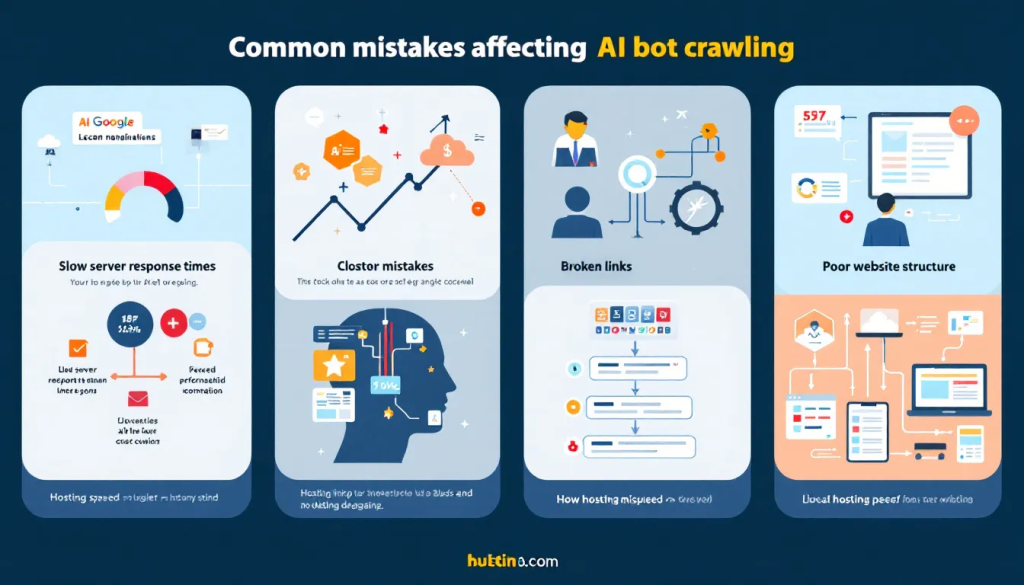
- Robots.txt eccessivamente restrittivo che blocca sezioni o bot importanti.
- Ignorare le prestazioni mobili in un mondo di scansione mobile-first.
- Pagine sottili (300 parole) e aggiornamenti poco frequenti che riducono l'interesse per la scansione.
- Pagine lente & timeout facendo sì che i bot abbandonino i recuperi.
Strategie avanzate per il successo dell'AI SEO
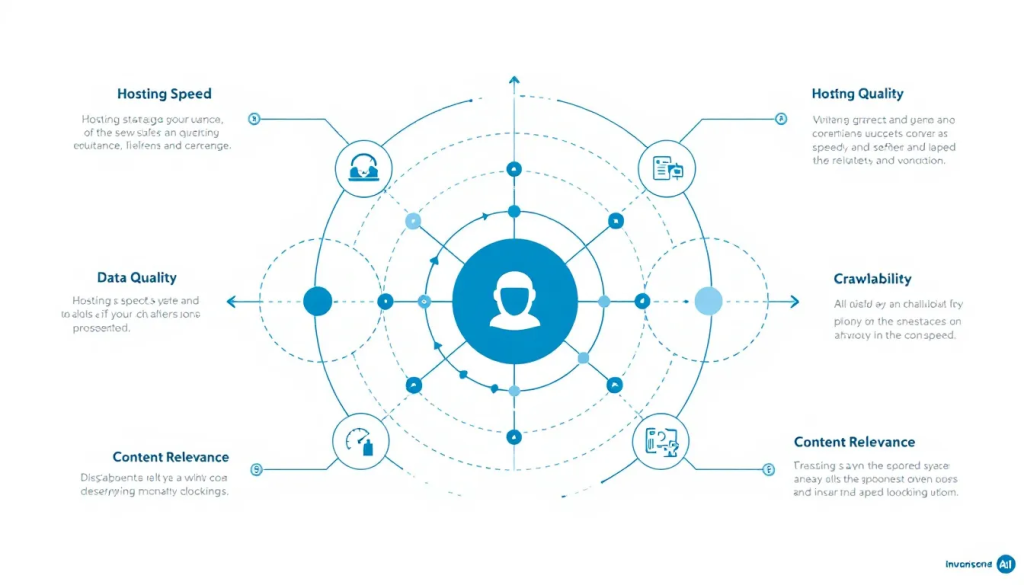
- Dati strutturati (markup dello schema) per chiarire entità e relazioni.
- Collegamento interno (≥3 collegamenti contestuali per pagina importante) per migliorare la profondità della scoperta.
- Ottimizzazione dell'esperienza utente veloce, accessibile, le pagine stabili supportano un migliore coinvolgimento e cadenza di scansione.
Sommario
La velocità e la latenza dell'hosting influenzano direttamente la scansione dei bot AI. Aggiornando le prestazioni del server, utilizzando una CDN, controllando regolarmente, e monitorare il comportamento dei bot, sblocchi una frequenza di scansione più elevata, migliore indicizzazione, e classifiche più forti. Evita regole restrittive sui robot, pagine lente, e contenuti obsoleti, quindi aggiungi dati strutturati, link interni, e un'ottima UX per massimizzare l'impatto SEO dell'intelligenza artificiale.
Domande frequenti
In che modo la velocità dell'hosting influisce sulla scansione dei bot AI?
L'hosting più veloce riduce il TTFB e la latenza, consentendo ai bot di recuperare più URL per visita, che migliora la copertura dell'indicizzazione e la velocità di posizionamento.
Perché dovrei monitorare l'attività dei bot AI?
Il monitoraggio rivela errori di scansione, percorsi bloccati, e colli di bottiglia dei server in modo da poter risolvere i problemi prima che incidano sull'indicizzazione e sul traffico.
Quali errori più spesso bloccano una scansione efficiente?
Regole robots.txt eccessivamente aggressive, pagine mobili lente, contenuti scarni/raramente aggiornati, e frequenti errori 5xx.
In che modo i dati strutturati aiutano l'AI SEO?
Lo schema chiarisce le entità e il contesto, rendere i contenuti più facili da comprendere per i sistemi di intelligenza artificiale e dare priorità ai risultati.
Qual è il ruolo del collegamento interno?
Guida i bot verso pagine importanti, aumenta la profondità di scansione, e consolida la pertinenza di attualità in tutto il tuo sito.